In short: Most people find lip blush very manageable — a light scratching or buzzing feeling rather than sharp pain, usually rated about 2–3 out of 10. A topical numbing cream is applied before and during the session, so many clients relax completely and some even fall asleep.
What lip blush actually feels like
Lip blush is applied with a fine cosmetic-tattoo needle that deposits soft pigment into the surface of the lip. Without numbing, lips are sensitive — but numbing changes the experience entirely. With it, most clients describe a gentle vibration and a light scratching sensation, more ticklish or "buzzy" than painful.
On a scale of one to ten, the majority of clients put it at a two or three. It's common to feel a little more sensation right at the start, before the numbing fully takes hold, and around the very edges of the lips (the vermillion border).
How numbing keeps you comfortable
Lorraine applies a topical numbing cream before starting, and re-applies a secondary numbing gel once the lips are open and can absorb it. This layered approach means comfort improves as the session goes on, not the other way around. There's no rush — the pace is set by your comfort.
Does it hurt more than brows?
Lips tend to feel a little more sensitive than eyebrow tattoo, simply because lip tissue has more nerve endings and blood flow. That said, because lips numb well, most clients who've had both say the difference is small and very tolerable.
What about afterwards?
Immediately after, lips feel similar to mild sunburn — tender and a bit swollen for a day or two. This settles quickly. You'll be given aftercare and clear instructions to keep the area comfortable while it heals.
Tips to make it more comfortable
Avoid caffeine on the morning of your appointment (it can heighten sensitivity), stay hydrated, and if you're prone to cold sores let Lorraine know beforehand — lip tattoo can trigger a flare-up, and simple preventative steps help. Most importantly, know that you can pause any time.
See lip blush treatment & results →
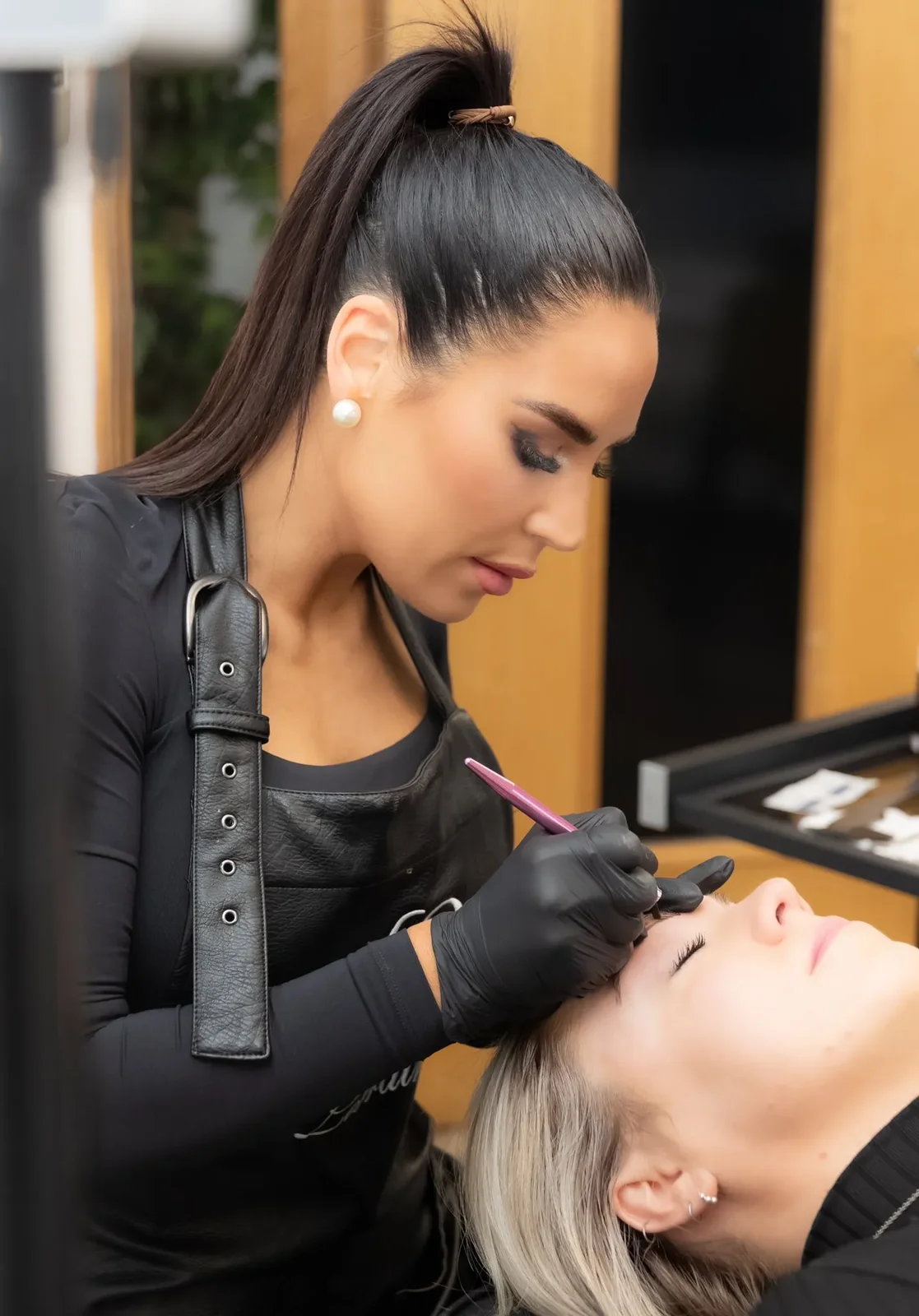
Cosmetic tattoo & paramedical practitioner with over 20 years in the cosmetic industry and international training in Milan, London and Paris. More about Lorraine →