Lips concern

Uneven or pale lip colour

If your lips have lost their natural colour, look paler than the rest of your face, or are uneven in tone from side to side — there's a reason, and there's a way to bring them back. Lorraine restores natural-looking lip colour with semi-permanent pigment, no makeup required.

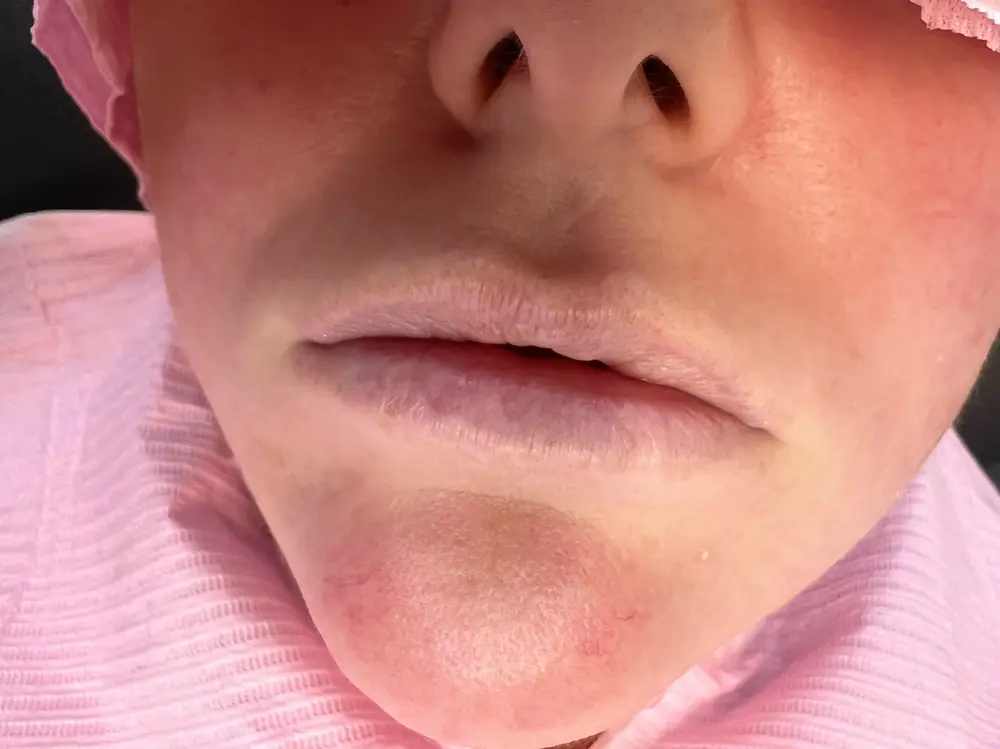
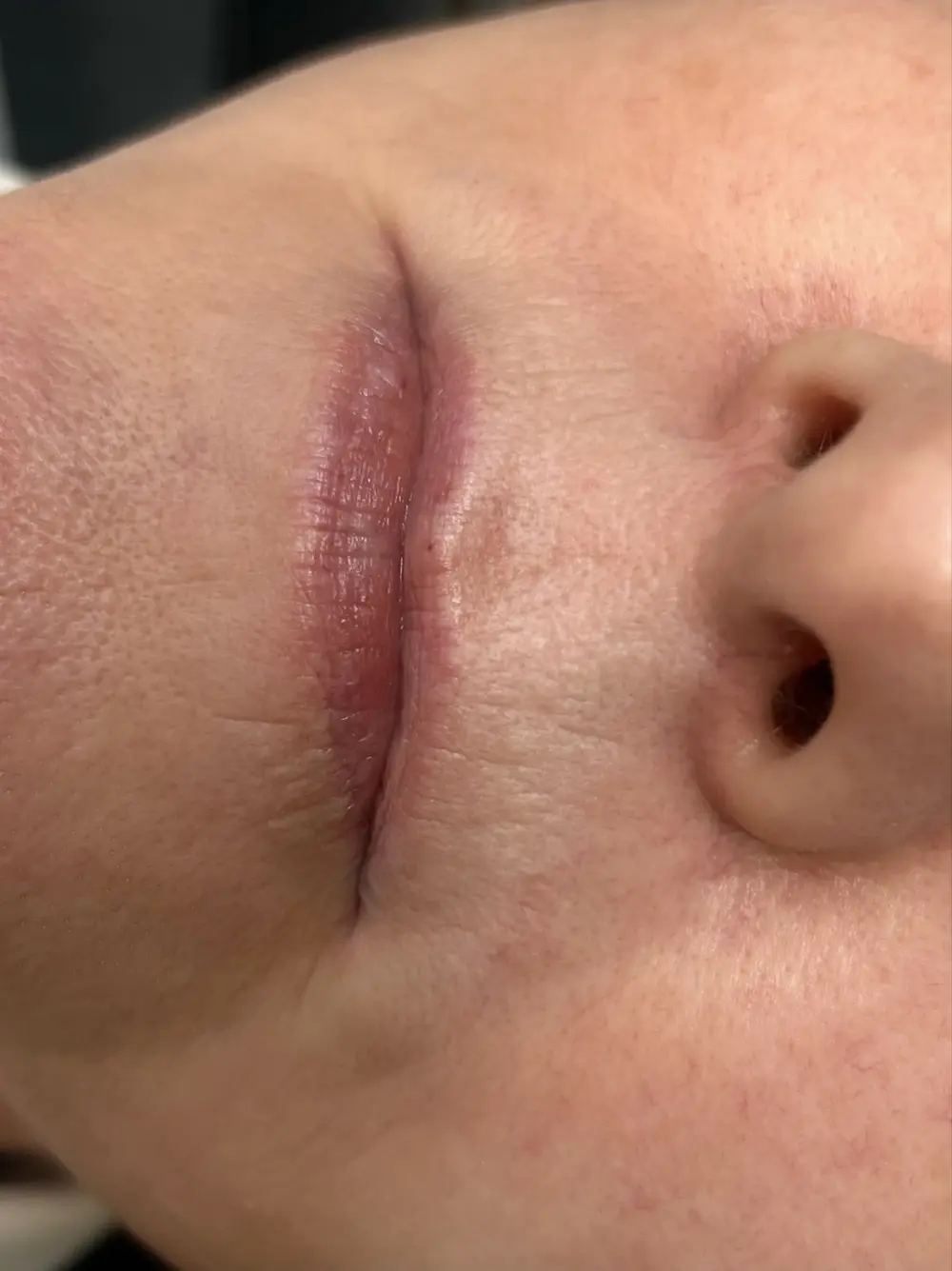
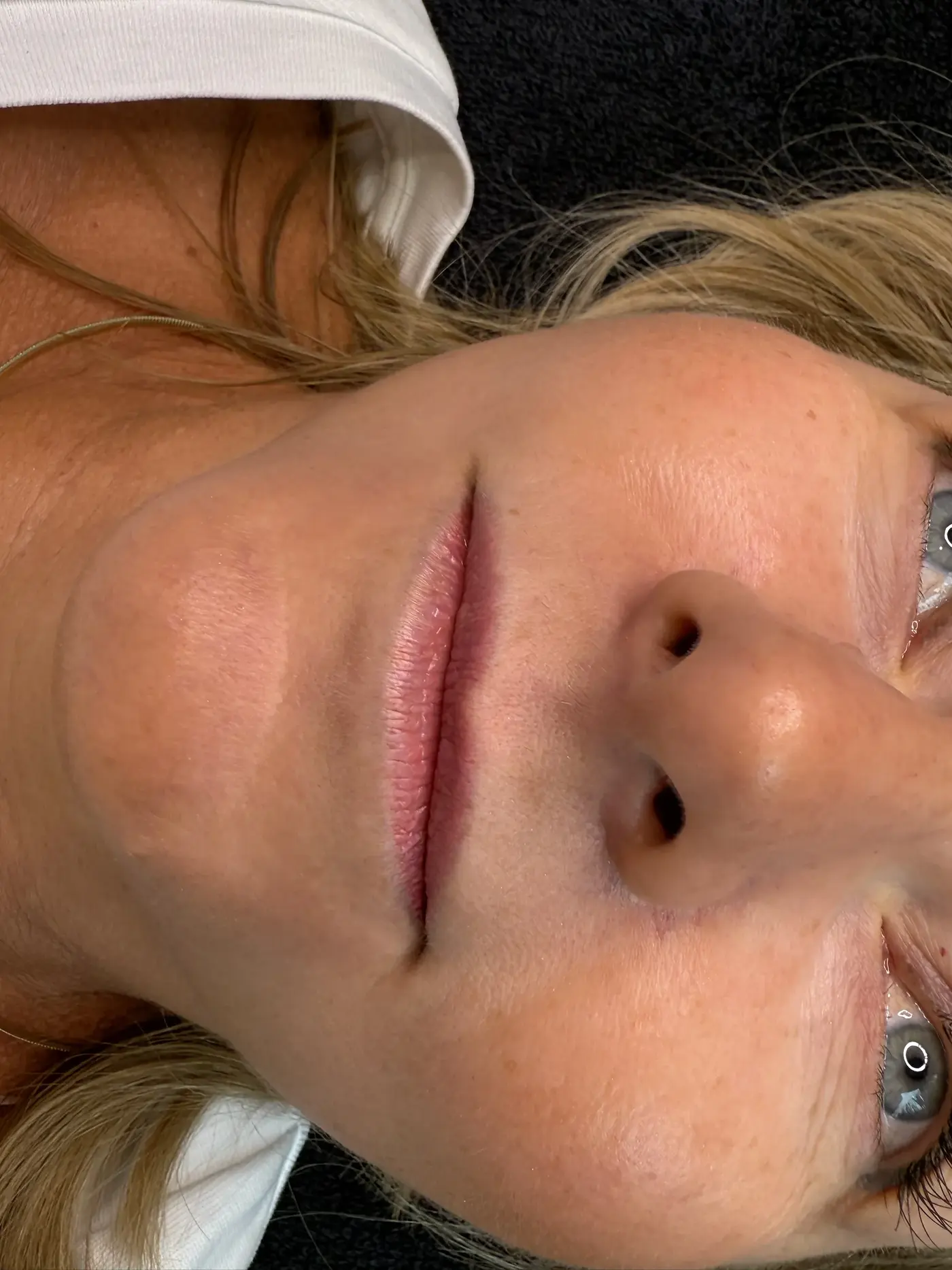
Pale lips with significant pigment loss — a real client before her lip blush treatment with Lorraine
Real client before treatment — lips that have lost natural pigment.

What does "uneven or pale lip colour" actually mean?

Most people don't talk about it, but it's one of the most common things Lorraine hears in consultation: "My lips used to have colour, and now they don't", or "My lipstick disappears within an hour and my lips look pale all over again." Some clients describe their lips as looking "tired" or as though they're "disappearing into their face."

What's happening underneath is straightforward: the natural pigment in your lip tissue has faded, and the contrast between your lips and the surrounding skin has reduced. This can happen evenly across both lips, on just one side, or in patches. It can be subtle — a gradual change you only notice in photographs — or dramatic, where the lips appear almost the same colour as the surrounding skin.

You may also be searching for this concern under names like pale lips, lip pigment loss, uneven lip colour, lip discolouration, or colourless lips. They all describe the same underlying issue, and the same treatment helps.

Is this just a cosmetic issue?

For most people, yes — uneven or pale lips are a natural part of ageing, skin chemistry, or genetics, and there's nothing medically wrong. But the visual impact on how you feel about your face is real. Lips frame your smile. When they lose colour, faces tend to look more tired, more washed out, and older than they actually are. Many clients describe how restoring their lip colour made them feel "like themselves again" — not different, just refreshed.

If you have any unusual pigment changes that have come on suddenly (within weeks) or are accompanied by other symptoms, it's always worth checking with a GP first to rule out anything medical. The fading we're talking about here is the slow, gradual variety that develops over years.

Who comes to Lorraine for this?

The most common clients for this concern are women over 35 whose lip colour has gradually faded, women of any age with naturally pale lip pigment, and clients with one side noticeably lighter than the other. Many have tried every lipstick, tinted balm, and lip stain on the market — and the result lasts a few hours before the underlying paleness reappears.

Lorraine's lip blush technique addresses the root: she places soft pigment into the lip tissue so the colour comes from within, not on top. The result reads as your own natural lip colour, just more vivid.
What causes it

Why lips lose their colour

Several reasons your lips may have lost their natural pigment — most of them entirely normal, all of them addressable.

Natural ageing

As we age, melanin production in the lips reduces and the small blood vessels that give lips their pink tone become less prominent. Most people start noticing the change in their late 30s and 40s; by their 50s and 60s, the difference can be significant.

Sun exposure

Lips are one of the most under-protected areas of the face. Years of sun exposure (especially without lip balm with SPF) can break down natural pigment and cause both fading and uneven patches of colour.

Smoking — past or present

Smoking restricts blood flow to the lips and stains lip tissue over time. Even years after quitting, the lips can remain noticeably duller and paler than they once were.

Hormonal changes

Menopause, pregnancy, and certain medications can cause changes in lip colour and pigment distribution. Some clients notice their lips becoming paler around perimenopause.

Skin tone and genetics

Some people are simply born with naturally pale lips that have minimal contrast with their surrounding skin. This isn't something that ever needed 'fixing' — but if it's bothered you for years, lip blush is the most flattering, low-maintenance way to add gentle colour.

Uneven pigment from one side to the other

Some people develop asymmetric lip colour — one side darker, one paler — often without ever knowing why. Lip blush is specifically suited to evening this out, since pigment can be placed more densely on the lighter side and the result heals into a balanced, even colour.

How we treat this

How lip blush restores natural colour

Lip blush is a soft, blended cosmetic tattoo technique. Lorraine places fine layers of bespoke-mixed pigment into the lip tissue itself — not on top, like lipstick. Because the colour is part of your lip, not sitting above it, the result reads as your own lip colour, just more present.

The process is fully customised. You bring a few favourite lip shades you've always loved (or have a chat with Lorraine about what would suit your tone) and the colour is mixed bespoke to your skin tone, hair colour, and natural undertones. Nothing comes off a shelf.

The result settles into a soft, natural finish over 4–6 weeks of healing. You won't look "made-up" or "tattooed" — most people who don't know you've had it done assume you've just had a good night's sleep, started using a tinted balm, or come back from a holiday.

Full lip blush details
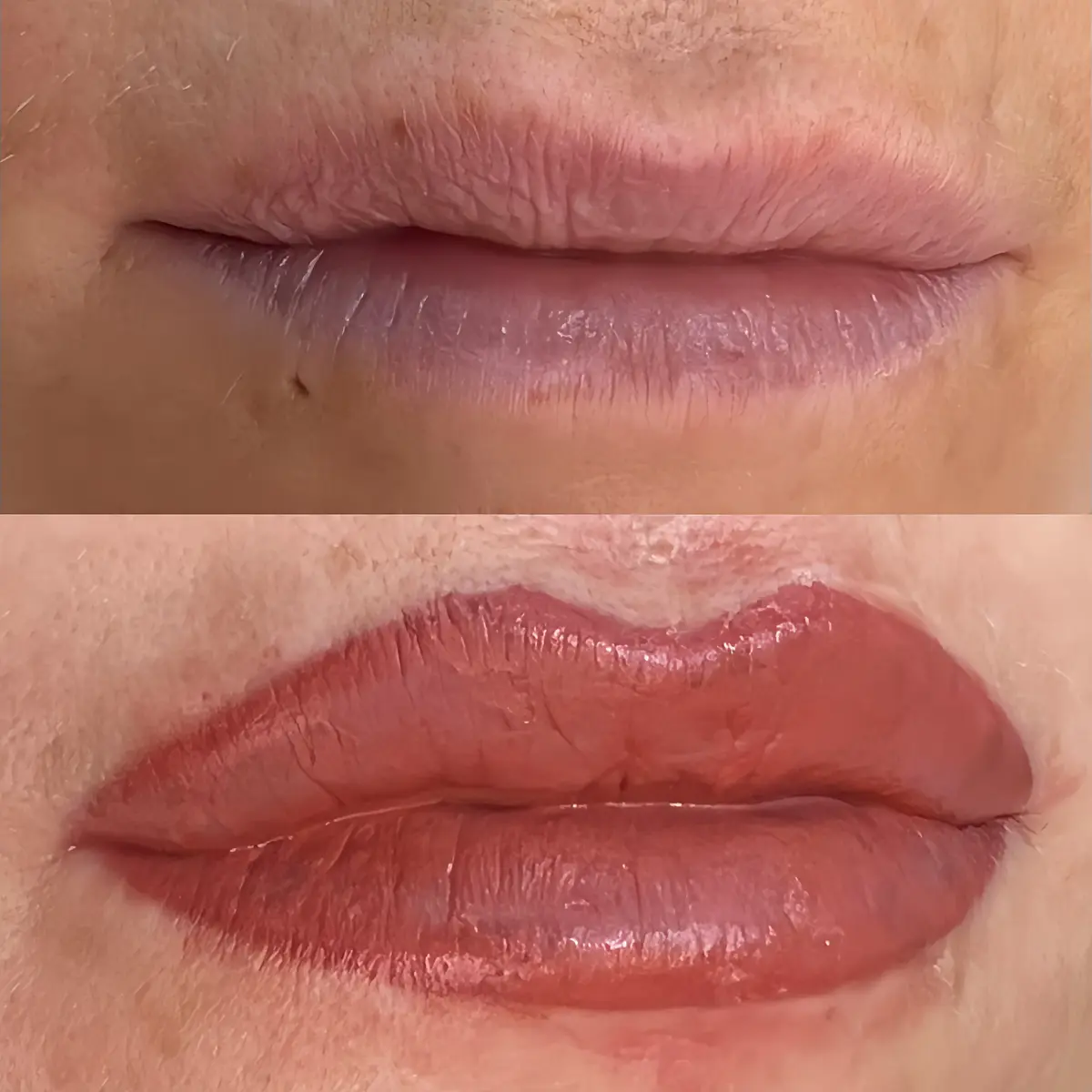
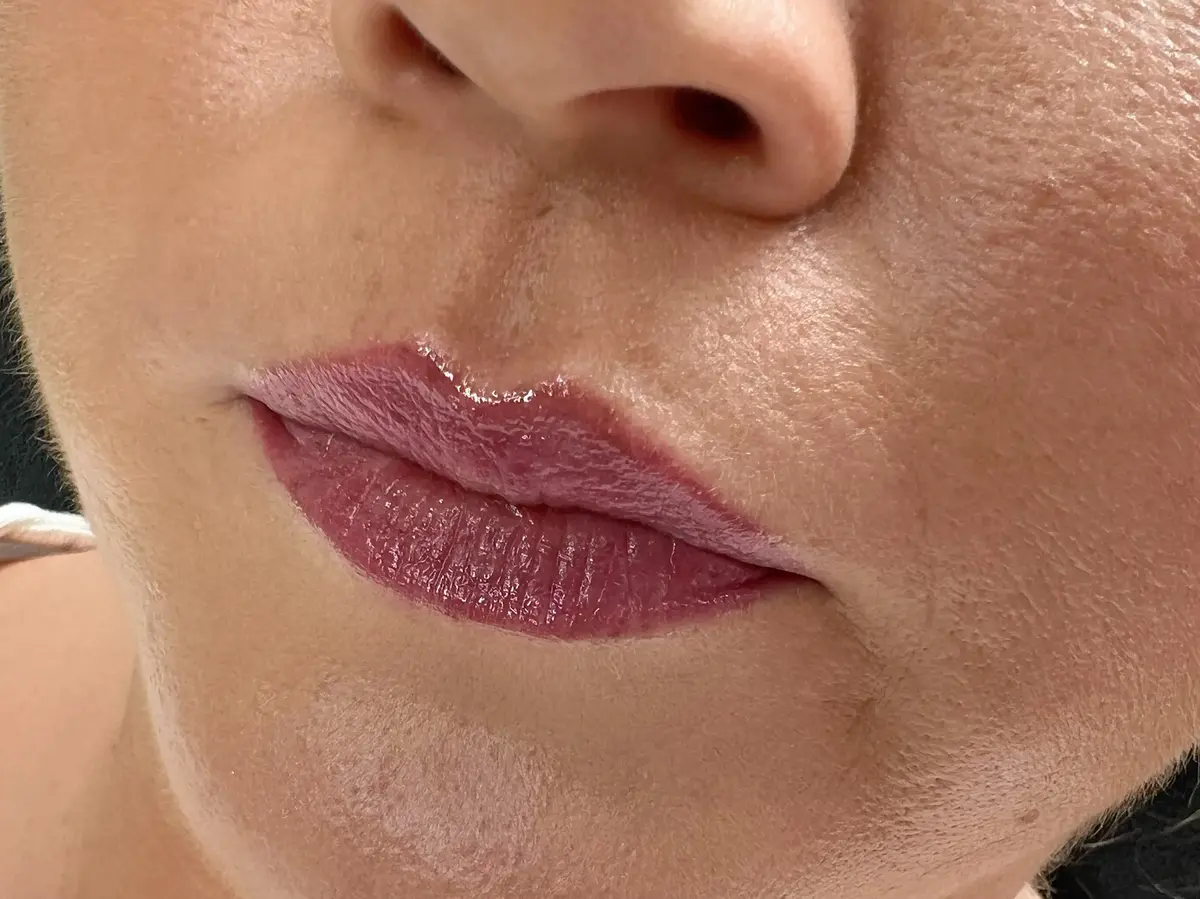
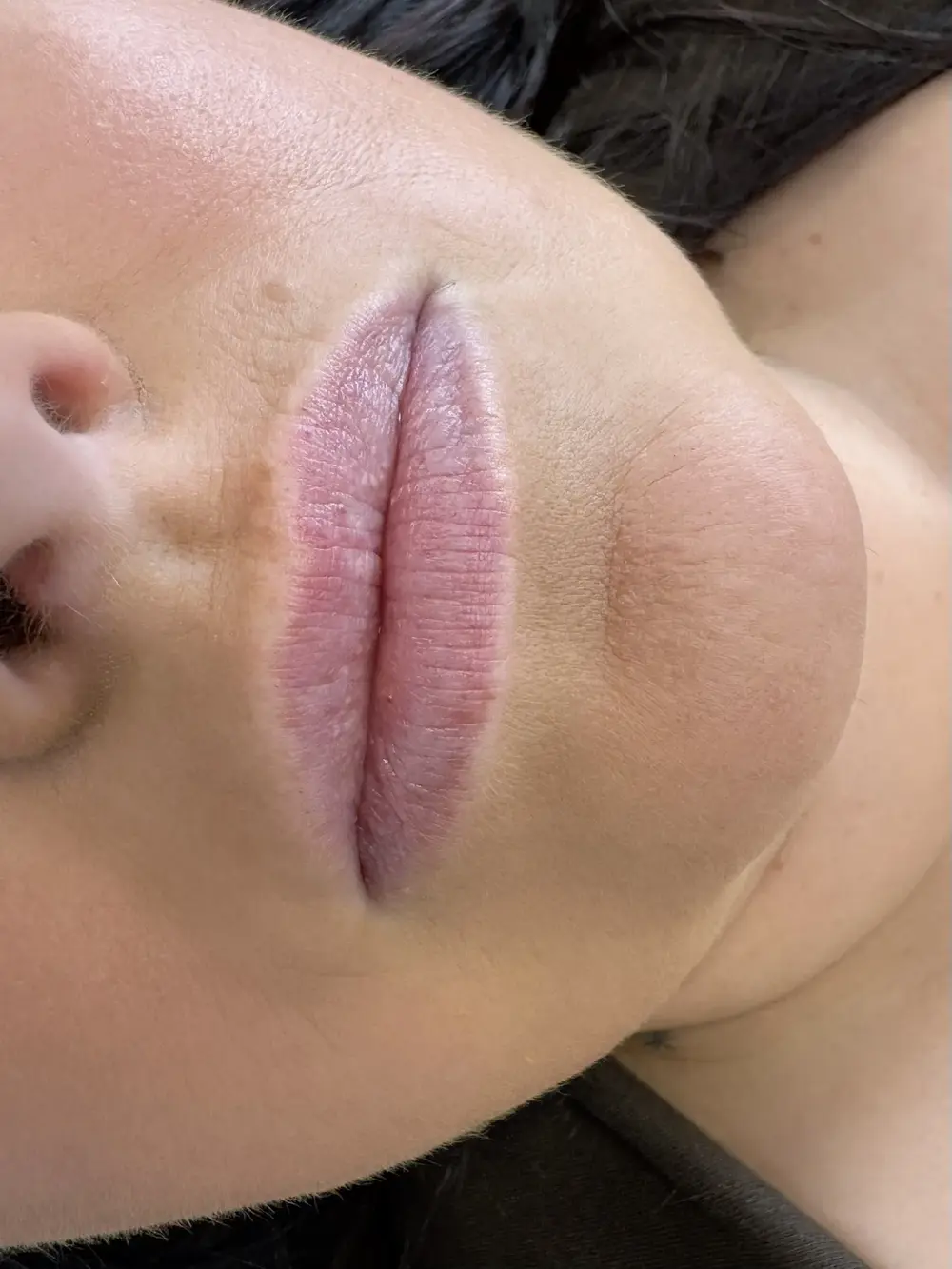
Lip blush healed result — natural pink colour restored, even tone after treatment
What to expect

Your journey from pale to restored

From your first enquiry to fully healed, lasting results — here's what the path looks like.

  1. Free consultation

    Come in for a 30-minute consultation with Lorraine. She'll look at your lips in natural light, ask what's bothered you, and talk through what's achievable. No pressure to book.

  2. Colour and shape mapping

    On the day of treatment, Lorraine mixes your bespoke pigment shade and draws your lip outline on the skin with a soft pencil. You review it together in the mirror before any pigment is placed.

  3. Treatment session (1.5–2 hours)

    Topical numbing is applied throughout. Lorraine builds the colour up gradually in fine, soft passes — never harsh. Most clients find it comfortable; many fall asleep during the session.

  4. First week of healing

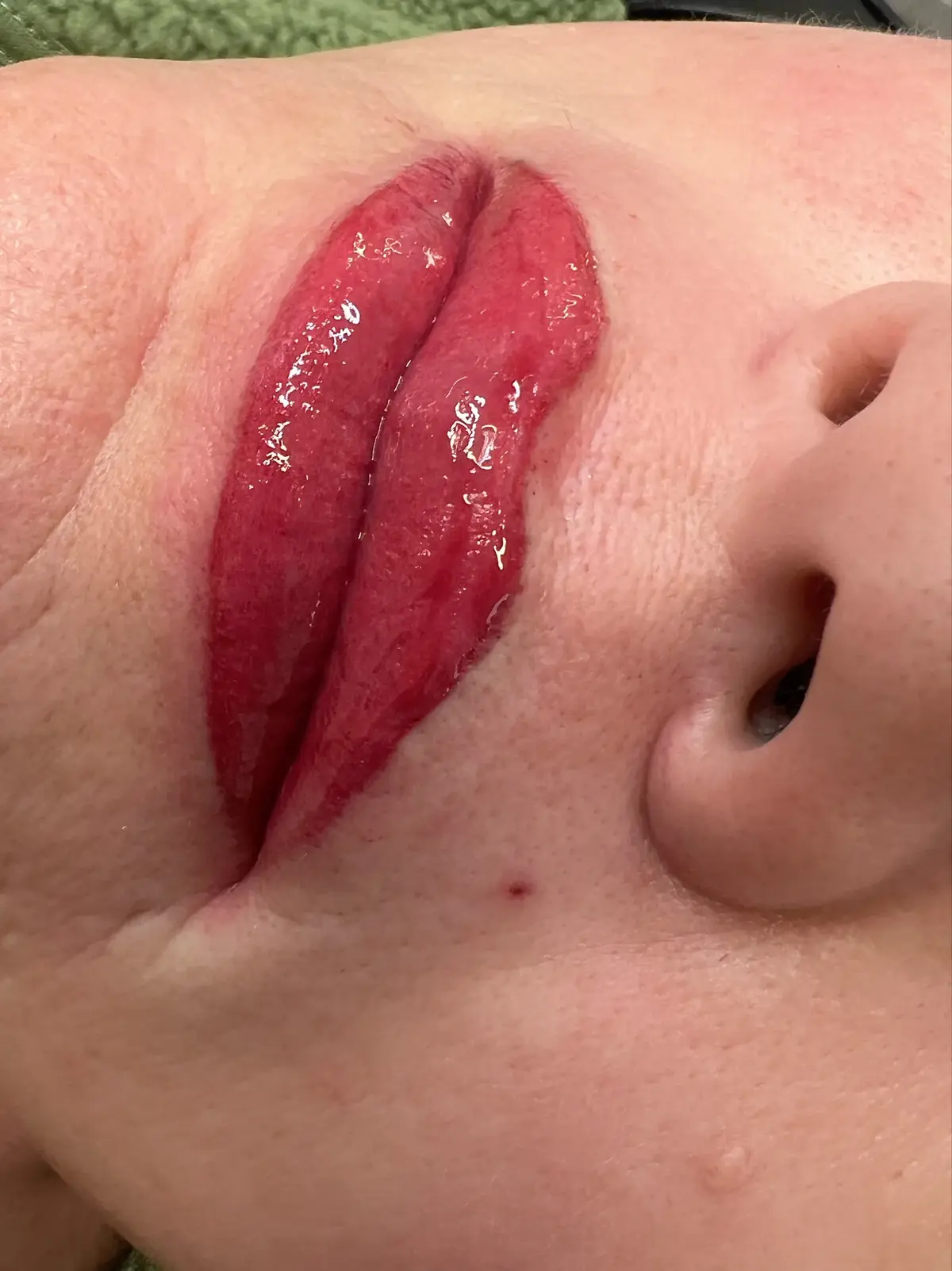
    Lips will look more vivid than the final result for the first 3–5 days. There's typically some light flaking around day 4–7, then the colour softens into its final tone over the following weeks.

  5. Final result at 4–6 weeks

    The colour has fully settled. Many clients return for a paid follow-up session around 4–6 weeks to even out any small patches that healed lighter, or to add depth where it's needed.

  6. Lasts 2–5 years

    Lip blush is semi-permanent — it gradually softens over time, with full colour lasting 2 to 5 years depending on your skin and lifestyle. A colour refresh every 18 months to 2 years keeps the result vivid; many clients leave it longer if they prefer the most natural look.

FAQs

Common questions about pale lip treatment

Is lip blush safe for very pale lips?

Yes — pale lips are actually one of the most common starting points for lip blush. Because there's less existing pigment to work with, the change can be more visible, but Lorraine builds the colour gradually so the result is never overdone. The technique is well established and uses sterile single-use needles and certified pigments throughout.

How natural will the colour look? I don't want lipstick lips.

This is the most common worry, and the answer is: as natural as you want. Lorraine specialises in soft, blended colour that reads as your own natural lip tone. Many of her clients ask for a result so subtle their own family doesn't notice; others want something more present. The bespoke colour mix and Lorraine's soft-layering technique mean the final tone is fully customised to you.

Can it even out lips that are darker on one side?

Yes, and this is one of the most rewarding things lip blush does. Lorraine places more pigment on the lighter side and less on the darker side, building the colour up over the session until both lips read as balanced. For more pronounced asymmetry, a paid follow-up session at 4–6 weeks can refine further.

I'm in my 60s — is it too late?

Not at all. In fact, mature lips often benefit the most because the change from faded to restored is most dramatic. Lorraine has treated clients well into their 70s. The only consideration with mature skin is that healing can take slightly longer, and a paid follow-up session at 4–6 weeks is more often recommended to refine the result.

Will I still need lipstick after?

Most clients stop wearing lipstick day-to-day after lip blush, because their lips already have the colour they were trying to add with makeup. You can absolutely still wear lipstick over your lip blush for evenings, special occasions, or a different look — the pigment underneath is unaffected.

How much does it cost?

Lip blush pricing is given on consultation and depends on factors like whether you've had previous lip tattooing elsewhere, the colour you're aiming for, and your starting lip tone. A complimentary in-person consultation is the easiest way to get a clear answer.

How long does the treatment session take?

Plan for 1.5 to 2 hours. This includes the initial colour and shape mapping, applying numbing, and the lip blush itself. There's no rush — Lorraine works at the pace that produces the softest, most natural result.

Is there any downtime?

Most clients return to normal activities the next day. Your lips will look more vivid than the final result for 3–5 days, and there's usually some light flaking between day 4 and day 7. You'll be given an aftercare cream and clear written instructions.

Begin with a complimentary consultation.

A relaxed conversation about your lips, your concerns, and what would suit you best — no commitment.