What "uneven brows" actually means
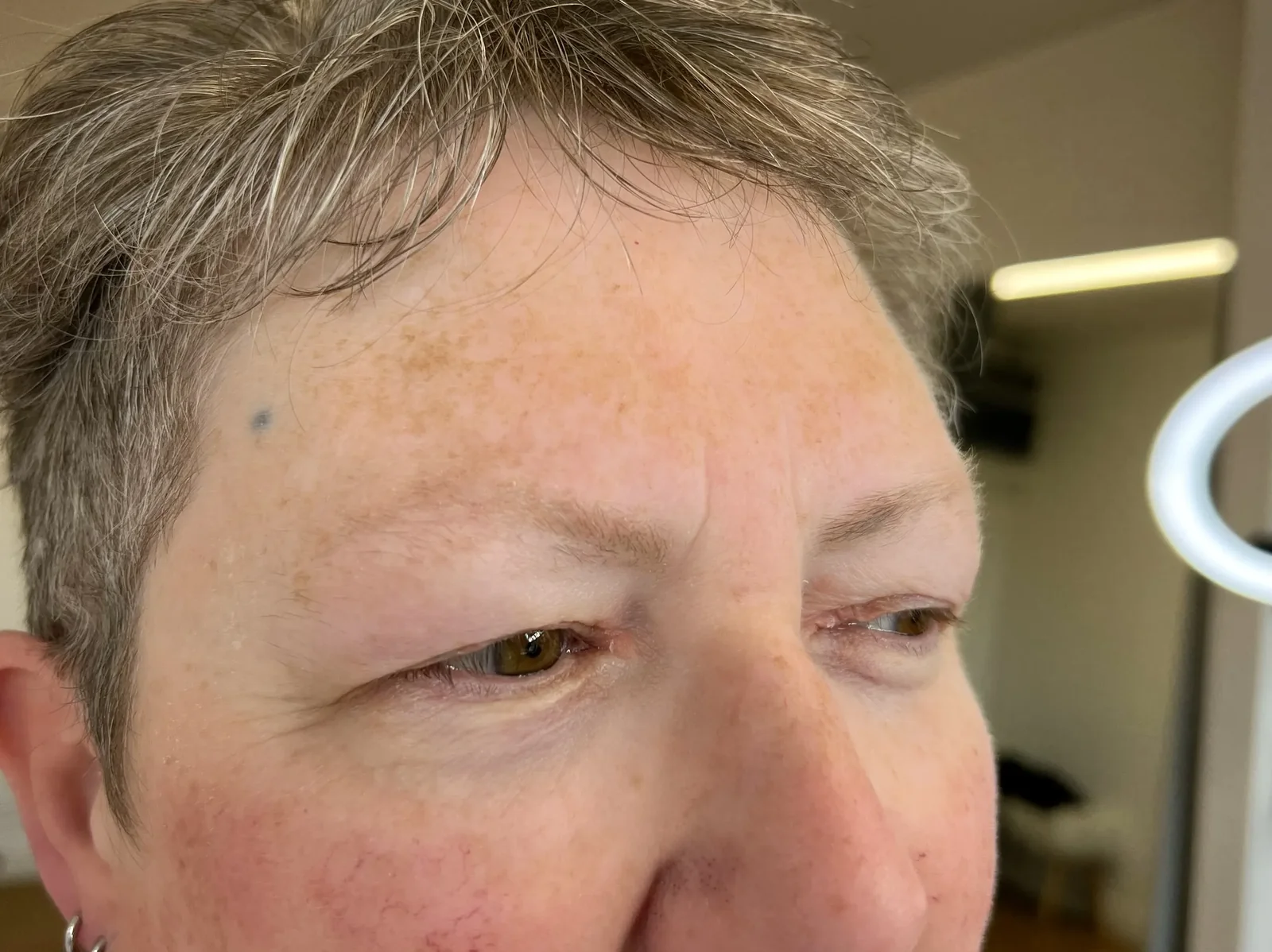
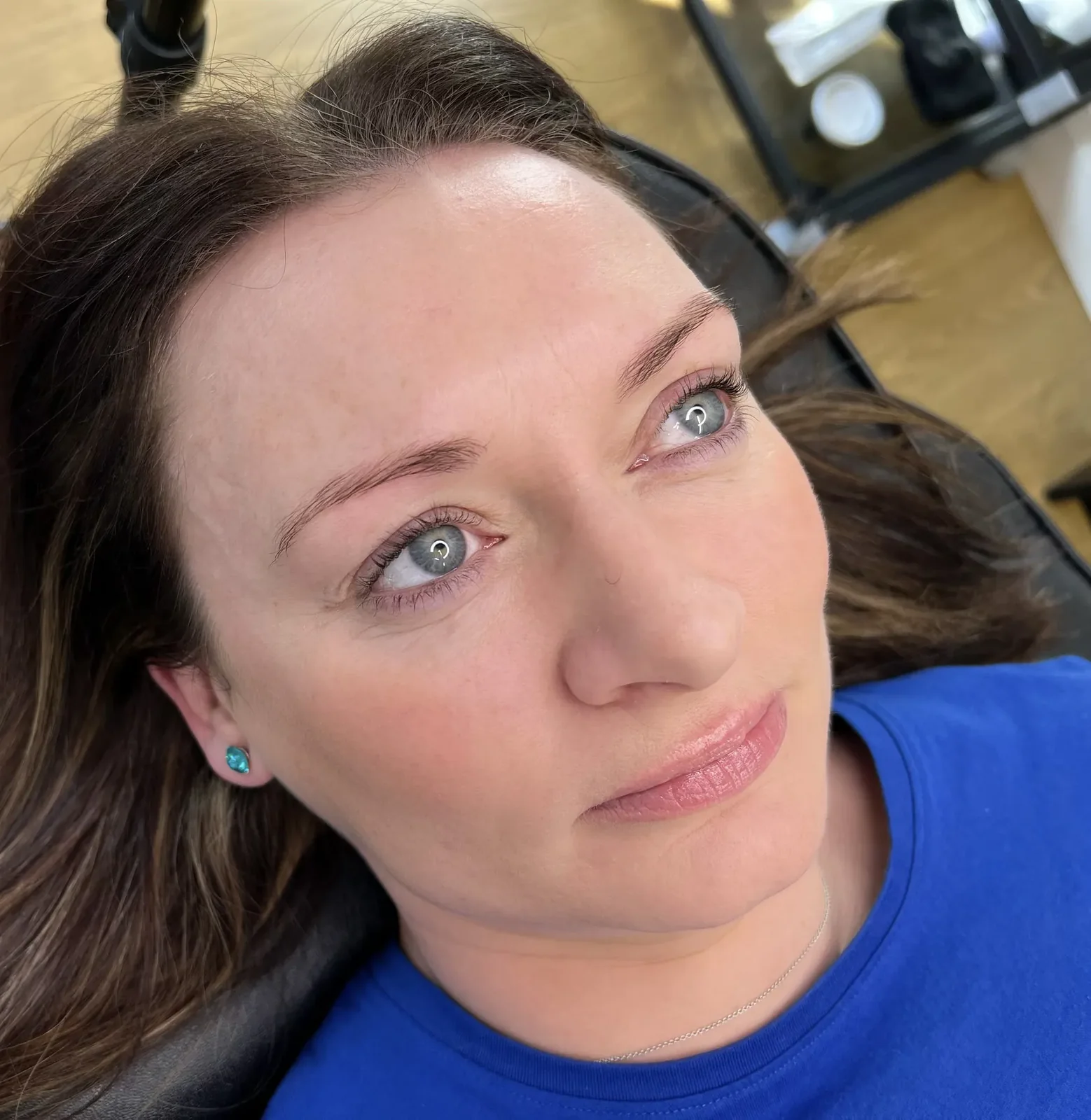
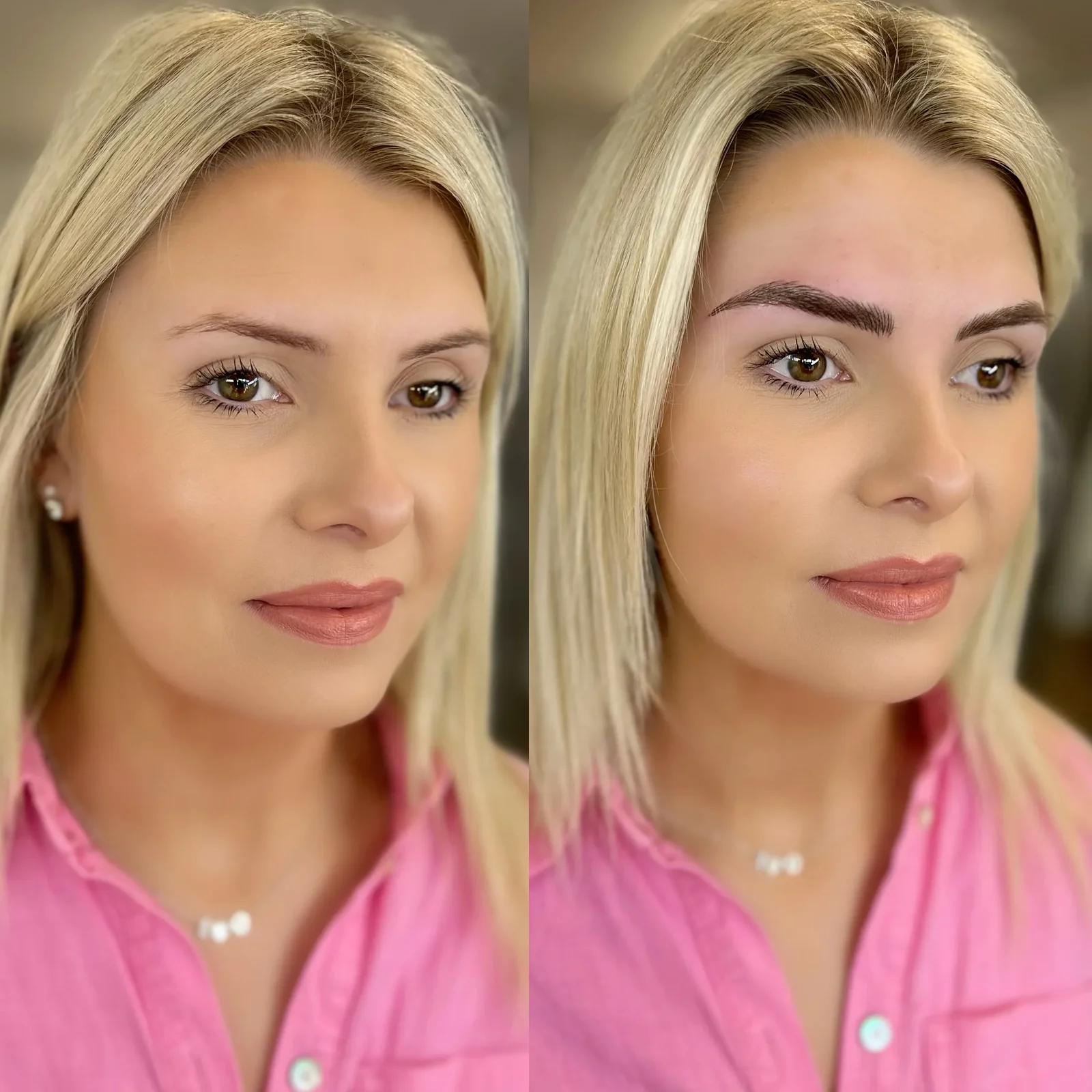
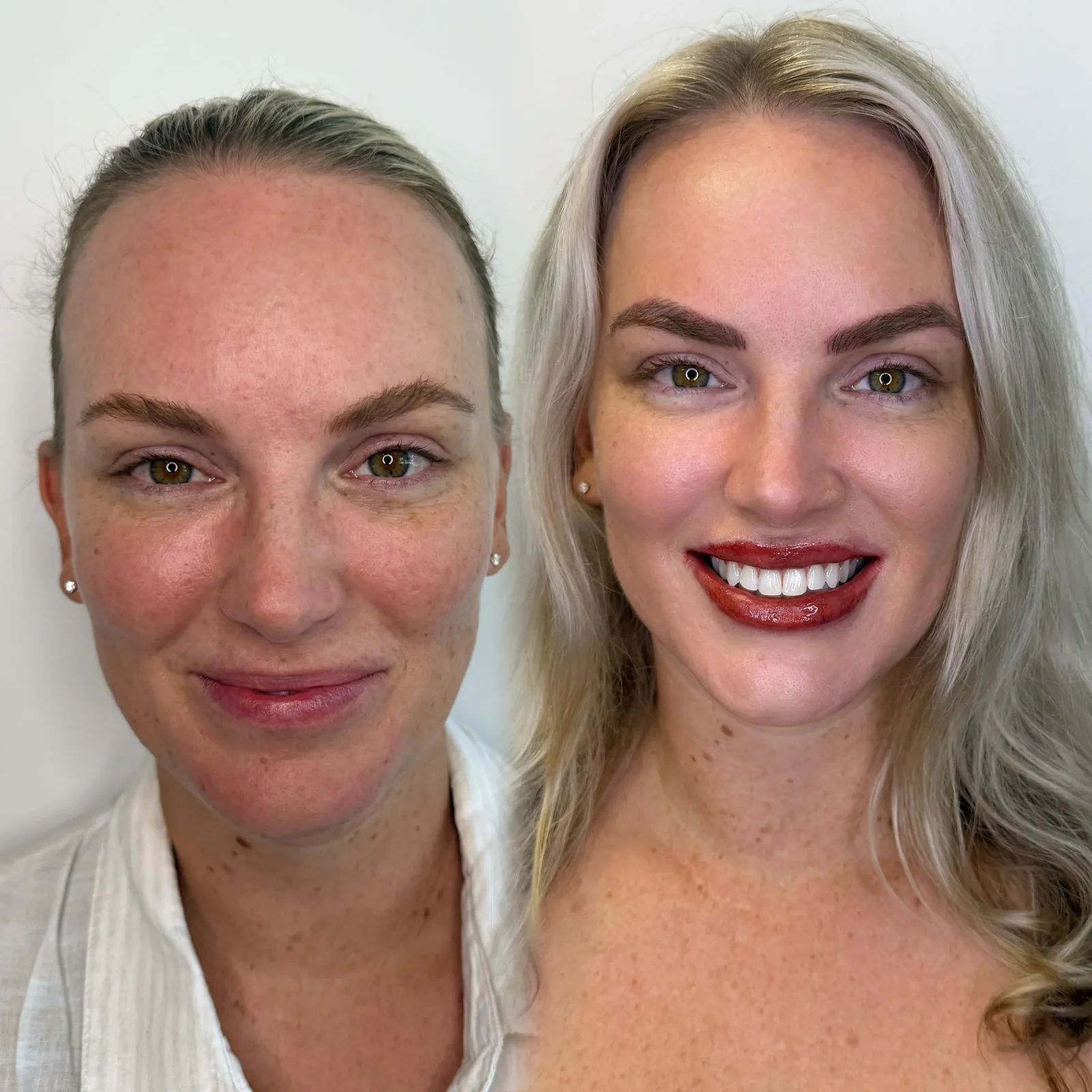
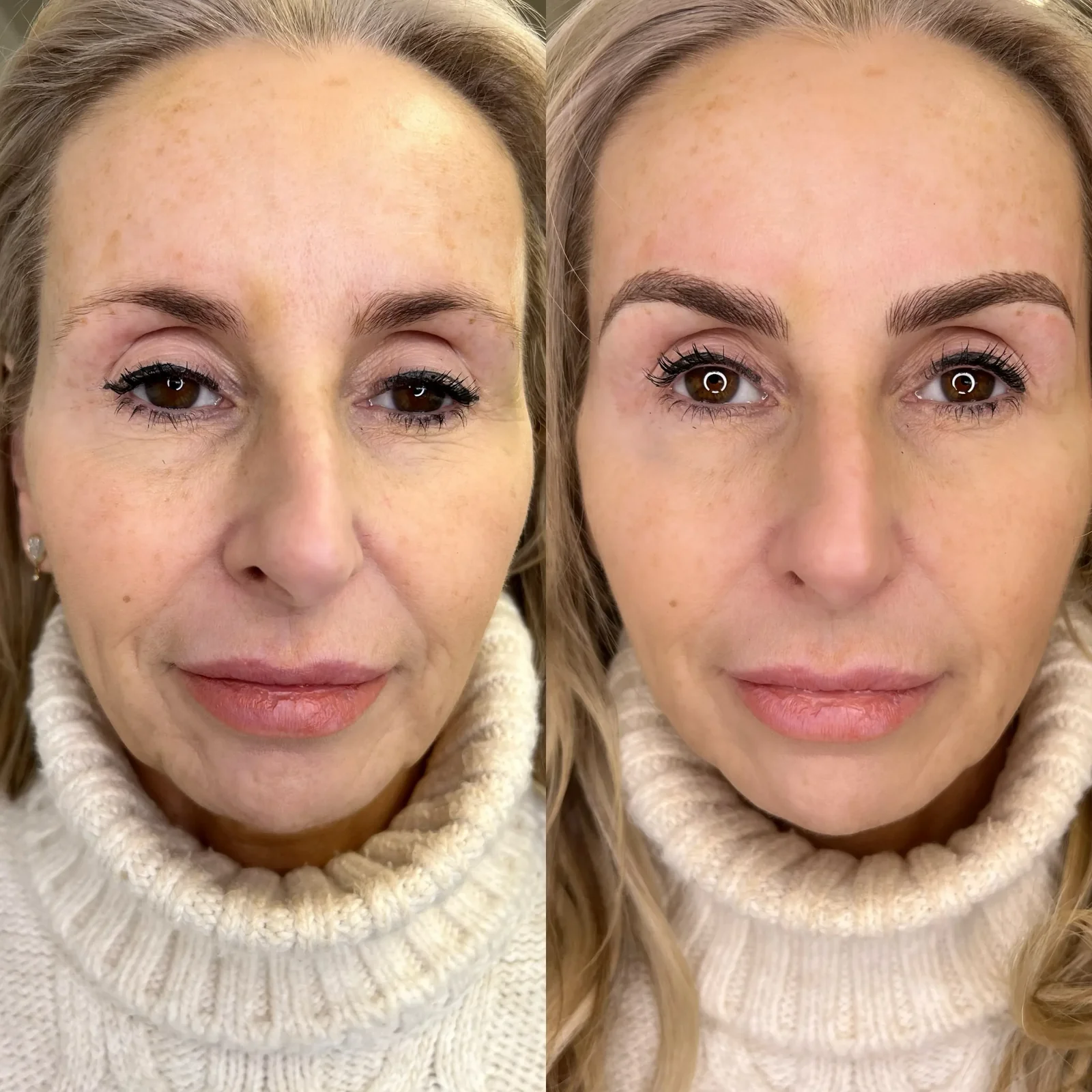
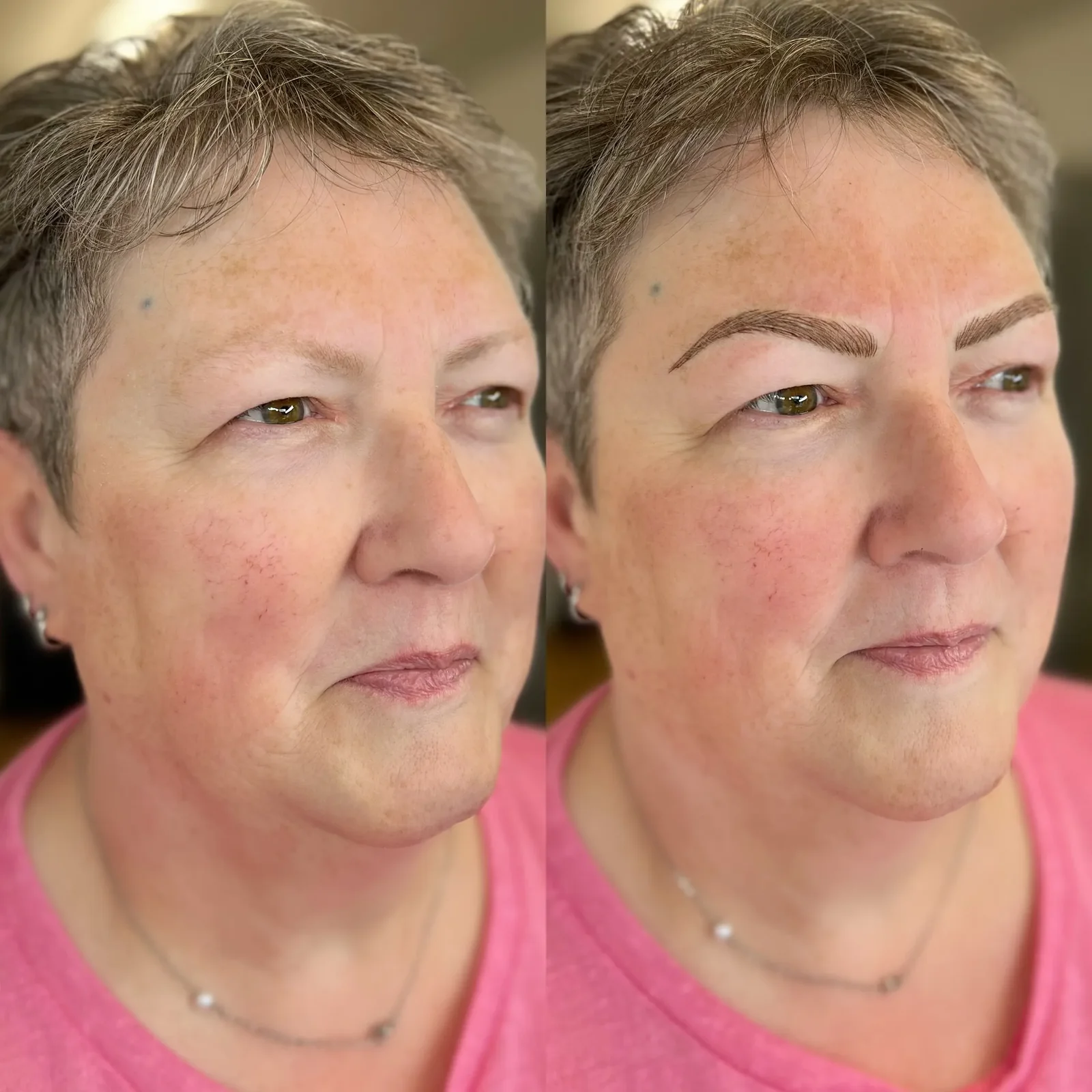
When clients say their brows are uneven, they usually mean one of several different things. One side might sit higher than the other. One brow tail might be shorter, or arch at a different point. The thickness might be visibly different — one fuller, one sparser. One side might have a bald patch the other doesn't. Or the brows might be at slightly different angles, so one frames the eye while the other points off in a different direction. All of these are common, and all of them are addressable with careful brow mapping and feather-stroke tattoo work.
One important thing to know up front: brows are meant to be slightly different. The phrase "brows are sisters, not twins" comes from brow artists for a reason — perfect, mirror-image symmetry actually looks unnatural on a real human face. What Lorraine aims for is balanced asymmetry: the differences are softened enough that they read as natural variation, not as visible imbalance.
What balanced brows can — and can't — do
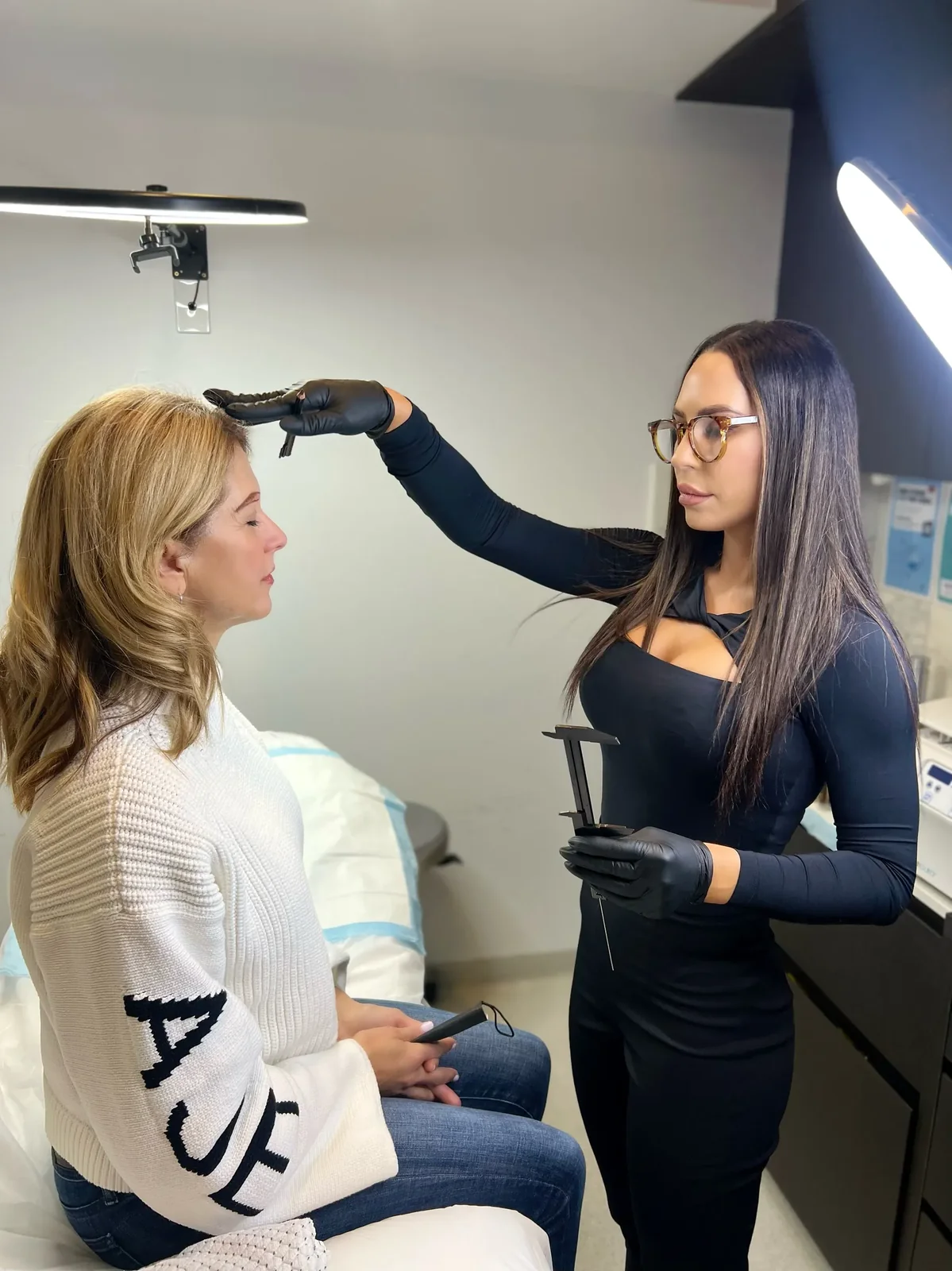
Worth being honest about. Brow mapping and tattoo work can correct asymmetry in shape, density, length, arch position and stroke direction. It can't change underlying bone structure — if one brow bone sits visibly higher than the other (which is anatomical, not cosmetic), pigment placement can only do so much. Lorraine will be straightforward about this in your consultation, and will show you with the pre-drawn outline exactly what's achievable before any treatment happens.
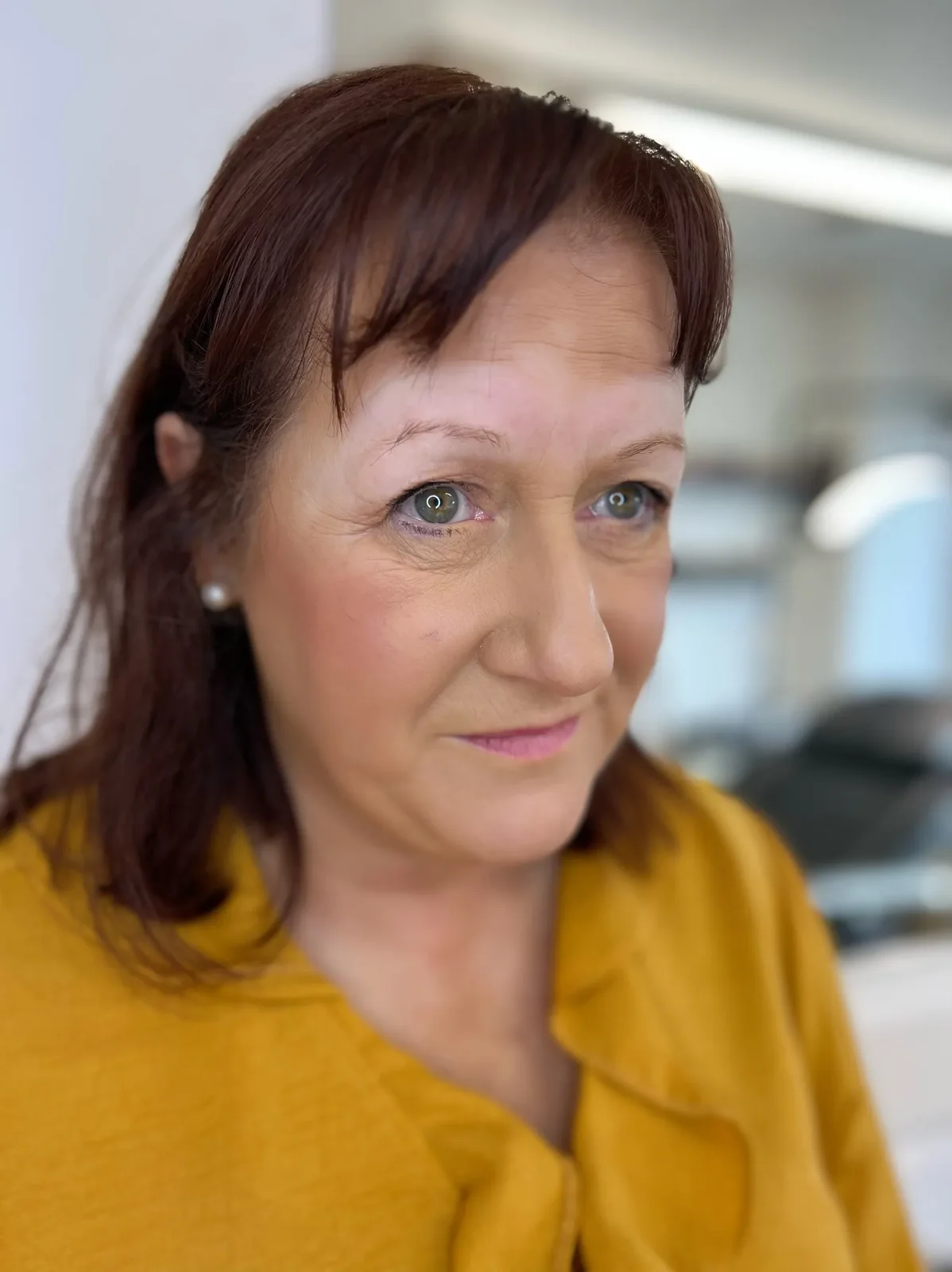
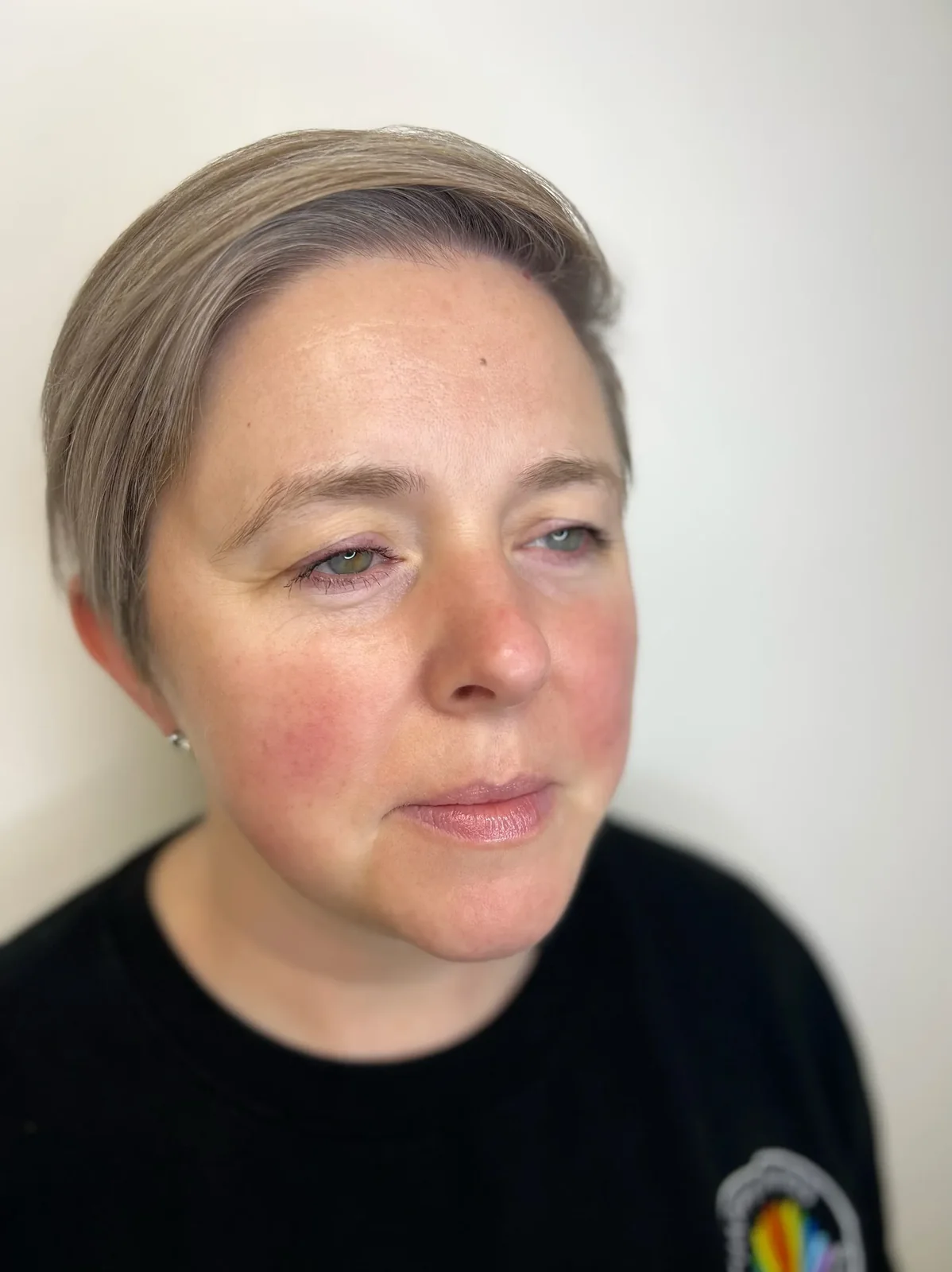
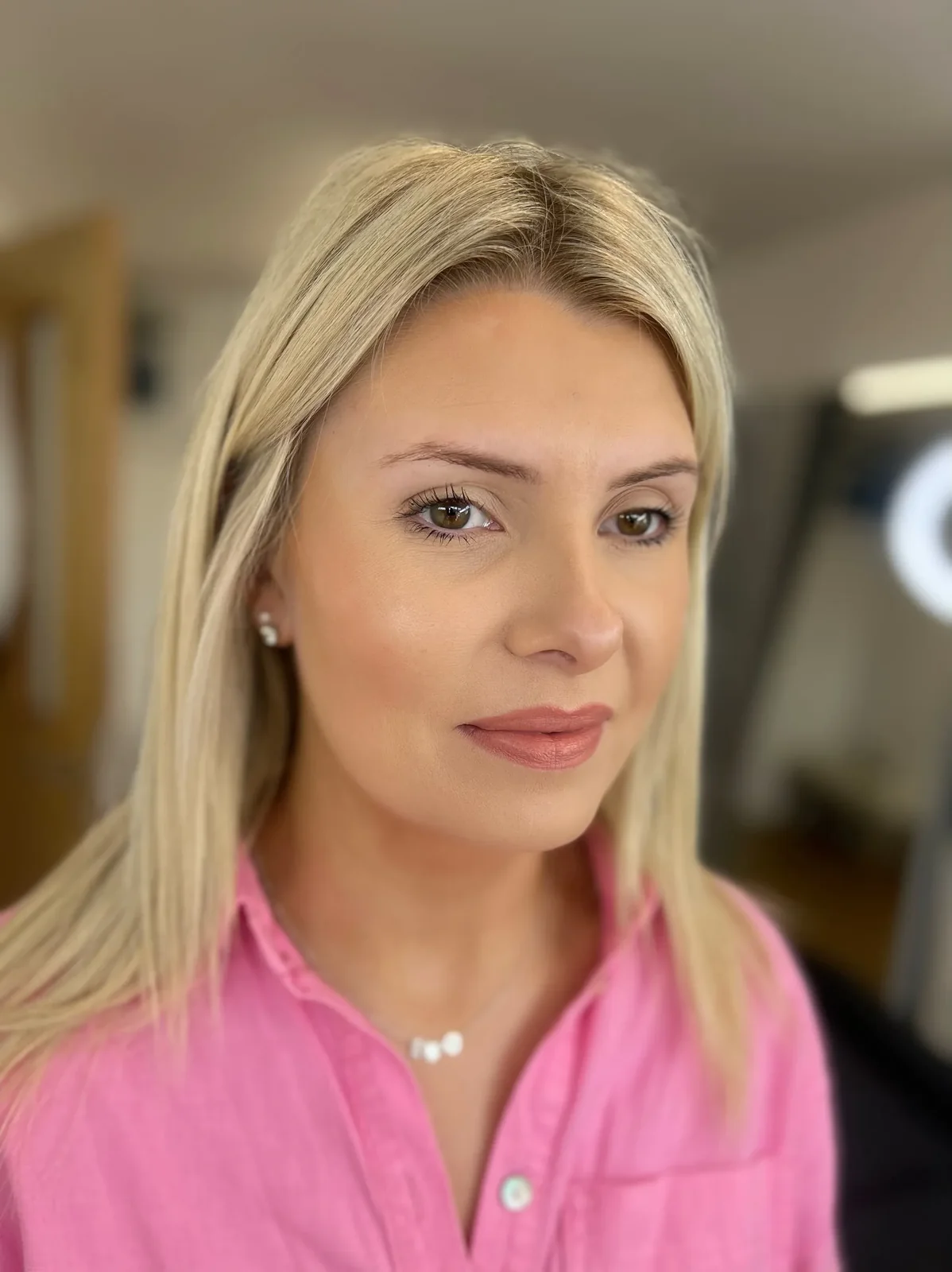
The most-common feedback Lorraine hears from clients after uneven-brow correction is: "I didn't realise how much it was bothering me until it was fixed. I look balanced now." The face reads as more symmetrical, photographs look more even, and the daily mirror moment stops being a source of mild frustration.
Who comes to Lorraine for this?
Uneven brows is one of the most-requested reasons clients book brow tattoo at Lorraine's Gold Coast clinic. Most fall into these groups:
- Naturally asymmetric brows — the asymmetry has always been there, you've always noticed it, and now you'd like it addressed.
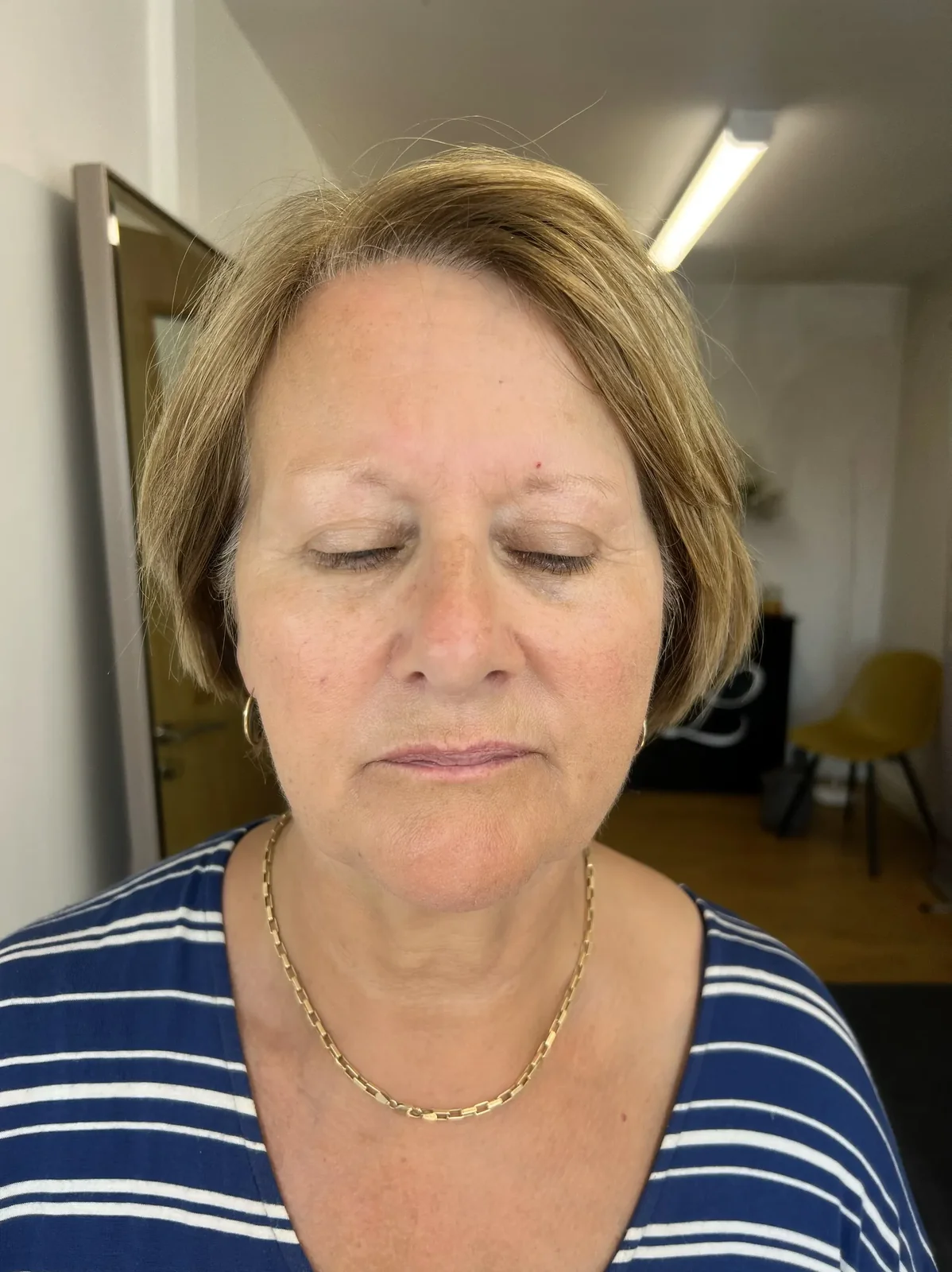
- Asymmetric after a bad brow appointment — over-waxed, over-plucked, or threading that went wrong on one side. Sometimes the imbalance has been there for years and the brows never fully grew back evenly.
- Asymmetry that emerged with age — brows lose density at different rates, especially the outer third. One side can thin faster, particularly with thyroid or hormonal conditions.
- Post-injury or surgical asymmetry — a scar through the brow, a forehead injury, or healed brow piercing site can leave a noticeable gap on one side.
- Mismatched arch height — one arch peaks higher or further along the brow than the other, which can make the face look quizzical or surprised when relaxed.