Skip to content

Cosmetic Tattoo · Paramedical · Skin · Plasma Fibroblast

Cosmetic Tattoo by Lorraine — Skin & Plasma Fibroblast, Gold Coast
  • Treatments ▾
    • Cosmetic Tattoo
    • Paramedical
    • Skin Treatments
    • Plasma Fibroblast
    • All treatments →
  • Concerns ▾
    • Lips
    • Brows
    • Eyes
    • Skin
    • Restoration & Paramedical
    • Hair loss
    • All concerns →
  • Locations
  • Gallery
  • About
  • Contact
Book →
Home · Concerns · Skin · Pigmentation and uneven tone
Skin concern

Pigmentation and uneven tone

Uneven skin tone, sun damage, age spots, melasma and post-acne marks are among the most common skin concerns in Australia — decades of summer sun leave their mark. The good news: pigmentation responds well to consistent treatment with the right combination of in-clinic peels and home skincare.

Treatment for this → Book consultation
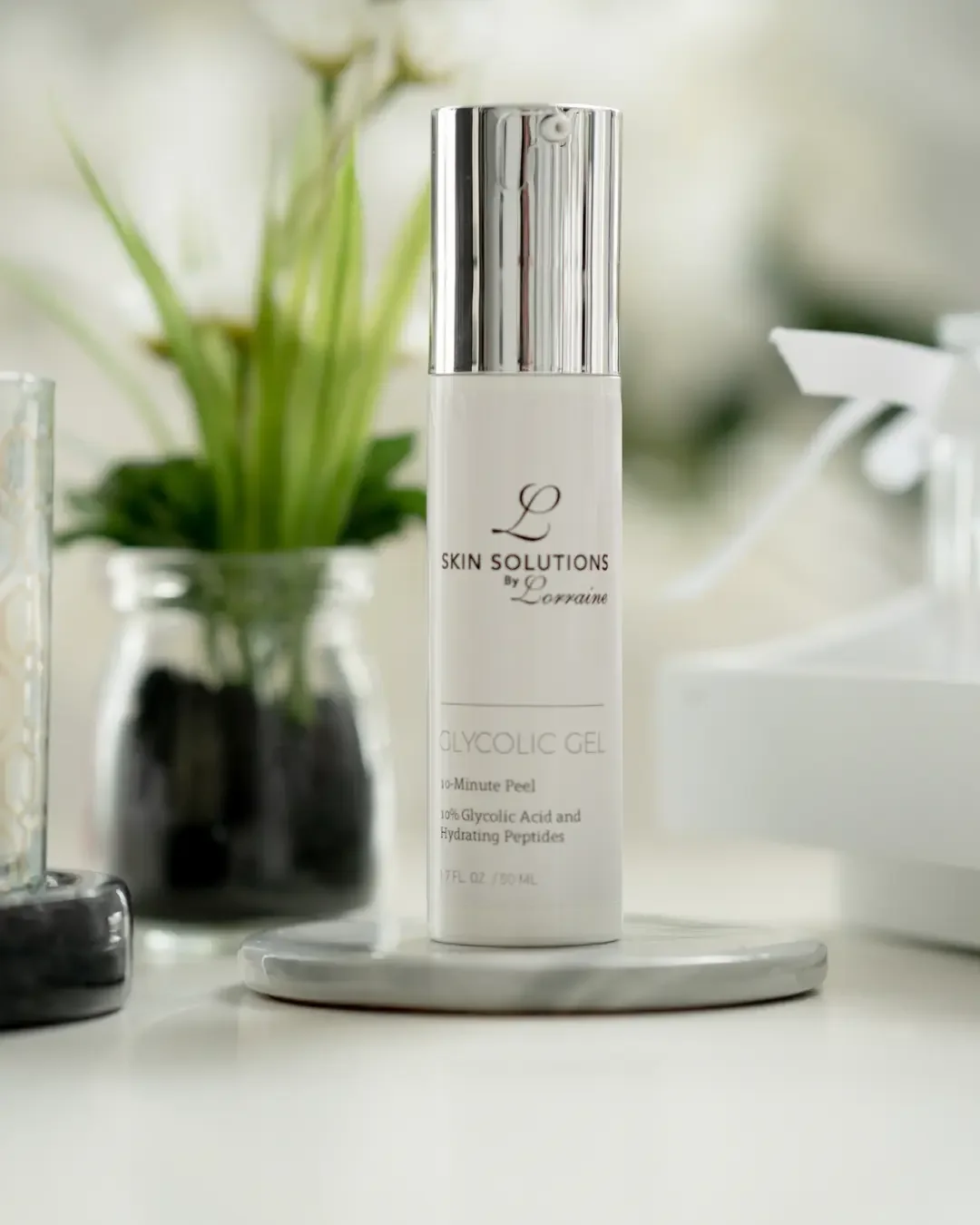
L Skin Solutions by Lorraine Glycolic Gel peel used to treat pigmentation and uneven skin tone at Cosmetic Tattoo by Lorraine, Gold Coast
Lorraine's L Skin Solutions Glycolic Gel — a brightening glycolic peel used for pigmentation and uneven tone.

Why pigmentation happens — and why it's so common here

Pigmentation is the skin producing excess melanin in patches rather than evenly. In Australia, the biggest driver is simply sun — years of UV exposure create sun spots and age spots (solar lentigines) on the face, chest, hands and shoulders. But it isn't the only cause: hormonal changes drive melasma (often on the cheeks, forehead and upper lip), and inflammation from acne leaves behind post-acne pigmentation (PIH) long after the breakout has gone.

Each type behaves differently, which is why a one-size-fits-all approach rarely works. Lorraine assesses what kind of pigmentation you have before recommending how to treat it.

How Lorraine treats pigmentation

The core of Lorraine's approach is medical-grade chemical peels — particularly glycolic and lactic acid — which lift pigmented surface cells and brighten the overall tone over a series of treatments. For deeper tone and texture correction, she combines peels with microneedling. Some pigmentation (sun damage, age spots) responds quickly; melasma is more stubborn and hormonally driven, so it usually needs ongoing maintenance rather than a one-off fix.

One thing is non-negotiable alongside any pigmentation work: daily sun protection. Without it, new pigmentation forms as fast as the old is treated. Strong SPF and pigment-targeting actives at home are part of the plan, not an optional extra.
Treatment for this concern

Medical-Grade Peels

Glycolic, salicylic and enzyme peels — pigmentation, acne, glow.

View treatment → Book a consultation
What causes it

What's driving your pigmentation

Knowing the type matters, because each responds differently to treatment. The most common kinds Lorraine sees:

Sun damage and age spots

Solar lentigines — flat brown spots and patches built up from years of UV exposure. The most common pigmentation concern in Australia, and generally the most responsive to peels.

Melasma (hormonal pigmentation)

Larger, often symmetrical patches on the cheeks, forehead and upper lip, driven by hormones (pregnancy, the pill, hormonal change) and worsened by sun and heat. Treatable but persistent — it needs careful, gentle treatment and ongoing maintenance.

Post-acne pigmentation (PIH)

The flat dark marks left behind after a breakout has healed. Not scars — pigment. These usually respond well to a combination of peels, microneedling and consistent home care.

General uneven tone and dullness

Years of sun, environment and slowing cell turnover leave the complexion looking patchy and tired. A peel series brightens and evens the overall canvas.

How we treat this

How peels brighten and even your skin

Lorraine's main treatment for pigmentation is a course of medical-grade chemical peels, often glycolic or lactic acid, sometimes combined with microneedling for deeper correction.

1. The right peel for your pigment. Glycolic peels brighten and resurface sun damage and dullness; gentler lactic and enzyme peels suit sensitive skin and melasma, where aggressive treatment can backfire. Lorraine matches the chemistry to your skin — important especially for richer and darker skin tones.

2. A series, not a single fix. Pigmentation lifts gradually. Most clients have a series of 3–6 peels spaced 4–6 weeks apart, with visible brightening building over the course.

3. Home care that protects the result. Daily SPF and pigment-targeting actives at home are essential — they protect the progress and slow new pigmentation from forming.

Full medical-grade peels details →
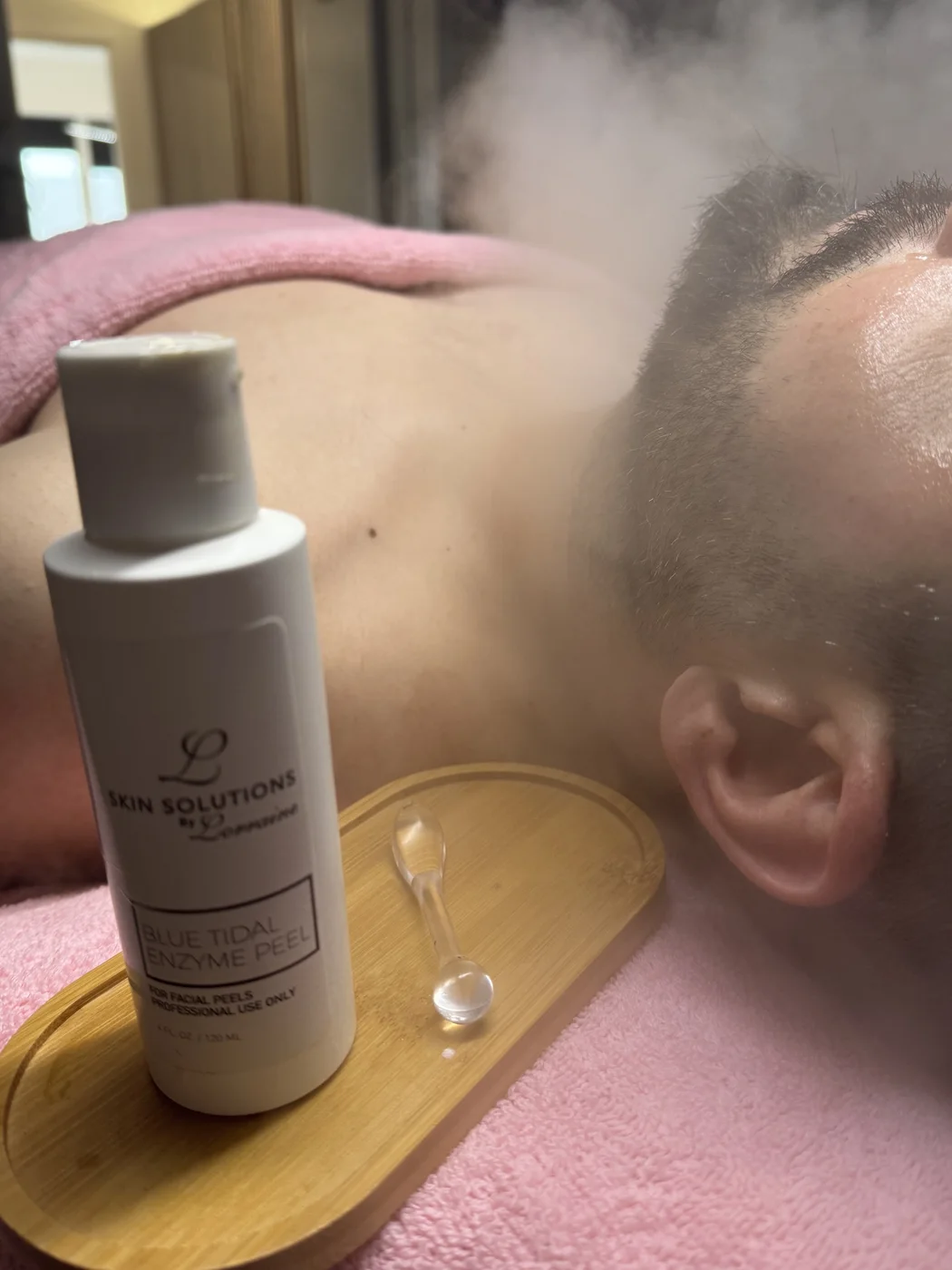
Enzyme peel facial in progress at Cosmetic Tattoo by Lorraine — gentle peel treatment for pigmentation and uneven tone, Gold Coast
What to expect

What to expect

  1. Skin assessment

    Lorraine identifies the type of pigmentation you have (sun damage, melasma, PIH or general unevenness) and recommends the right peel chemistry and series. She'll be honest about what's quick to shift and what needs ongoing maintenance.

  2. Your peel series

    A series of 3–6 peels spaced 4–6 weeks apart, with the depth matched to your skin. Light peels have no downtime; medium peels may flake lightly for a few days. Each session is booked and paid on its own.

  3. Home skincare

    Daily SPF and pigment-targeting actives are part of the plan, not optional. Lorraine recommends specific products to protect and extend your results, with no pressure to buy.

  4. Maintenance

    Sun damage that's treated usually stays gone (barring new exposure). Melasma is hormonally driven and typically needs ongoing gentle maintenance to stay controlled.

FAQs

Common questions about pigmentation

Will my pigmentation come back?

It depends on the type. Treated sun damage usually doesn't return — but new UV exposure will create new spots, which is why daily SPF matters so much. Melasma is hormonally driven and typically requires ongoing maintenance because the underlying trigger doesn't go away.

How many sessions will I need?

Most pigmentation responds to a series of 3–6 peels spaced 4–6 weeks apart. Sun damage and age spots often shift faster; melasma usually needs longer, gentler treatment and ongoing maintenance.

Will I need to change my home skincare?

Almost certainly. Pigmentation control depends on consistent daily SPF and pigment-targeting actives at home — they protect your results and slow new pigment forming. Lorraine recommends specific products at consultation, with no pressure to buy.

Is treatment safe for darker skin tones?

Yes, but the peel chemistry and depth must be chosen carefully for richer and darker skin tones to avoid post-inflammatory pigmentation. This is exactly what the skin assessment is for — Lorraine selects a peel suited to your skin.

How much does it cost?

Peel treatments start from $195 per session, and pigmentation is usually treated as a short series spaced 4–6 weeks apart. Each session is booked and paid on its own — there's no package. Lorraine gives you a clear plan and price at your consultation.

Treatments

Other treatments that help with this

Skin Treatments

Medical-Grade Peels

Glycolic, salicylic and enzyme peels — pigmentation, acne, glow.

View treatment →
Skin Treatments

Microneedling

Collagen induction therapy for texture, pores and acne scarring.

View treatment →

Begin with a complimentary consultation.

A relaxed conversation about your concerns and what would suit you best — no commitment.

Book online → Send a message
Cosmetic Tattoo by Lorraine — Skin & Plasma Fibroblast, Gold Coast

Premium cosmetic tattoo, advanced skin treatments, plasma fibroblast and paramedical artistry — Runaway Bay, Gold Coast.

Instagram

Treatments
  • Cosmetic Tattoo
  • Paramedical
  • Skin Treatments
  • Plasma Fibroblast
  • All Treatments
Concerns
  • Lips
  • Brows
  • Eyes
  • Skin
  • Restoration & Paramedical
  • Hair loss
  • All Concerns
Studio
  • About Lorraine
  • Gallery
  • Locations
  • Book Online
Visit
  • 465 Oxley Drive
  • Runaway Bay QLD 4216
  • 0401 847 167
  • Send a message
© 2026 Cosmetic Tattoo by Lorraine. All rights reserved. Privacy  ·  Terms  ·  Sitemap