In short: Scalp micropigmentation (SMP) places tiny, layered dots of pigment in the upper scalp to mimic the look of hair follicles or add the illusion of density. It works well for thinning hair, receding hairlines, transplant scarring and pattern hair loss in both men and women. It doesn't regrow hair — it makes existing hair look fuller and the scalp look less bare, and results last for years with an occasional refresh.
How scalp micropigmentation works
SMP (also called scalp tattoo, hair tattoo or tricopigmentation) uses fine deposits of pigment to replicate the appearance of short hair follicles or to shade the scalp so thinning areas look denser. On a closely-shaved head it can create the look of a full, buzz-cut hairline; on longer thinning hair it reduces the contrast between hair and scalp so less skin shows through.
Who it helps
SMP suits a wide range of hair loss: general thinning, receding or uneven hairlines, crown thinning, diffuse loss in women, scarring from hair transplants or surgery, and full pattern baldness. It works for both men and women, with the density and hairline designed to look natural for your age and features.
Does it actually work — and look natural?
Done well, yes — the key is placing pigment in realistic patterns and the right depth, colour and density so it reads as hair, not dots. It's a skilled, layered process, which is why experience matters. What it can't do is grow new hair or change hair texture; it's a visual solution, not a medical hair-loss treatment.
Does it hurt, and how many sessions?
Most people find SMP very tolerable — a light prickling — and numbing is available. It's usually built over 2–3 sessions spaced a week or two apart, layering density gradually so the result looks natural and even.
How long does it last?
SMP is long-lasting but not permanent — the tiny deposits soften over several years. A refresh restores crispness and colour. Sun exposure and skin type affect how quickly it fades, so SPF on the scalp helps.
At your consultation Lorraine will look at your hair loss, talk through what's realistic, and design a hairline and density that suits you — honestly and without pressure.
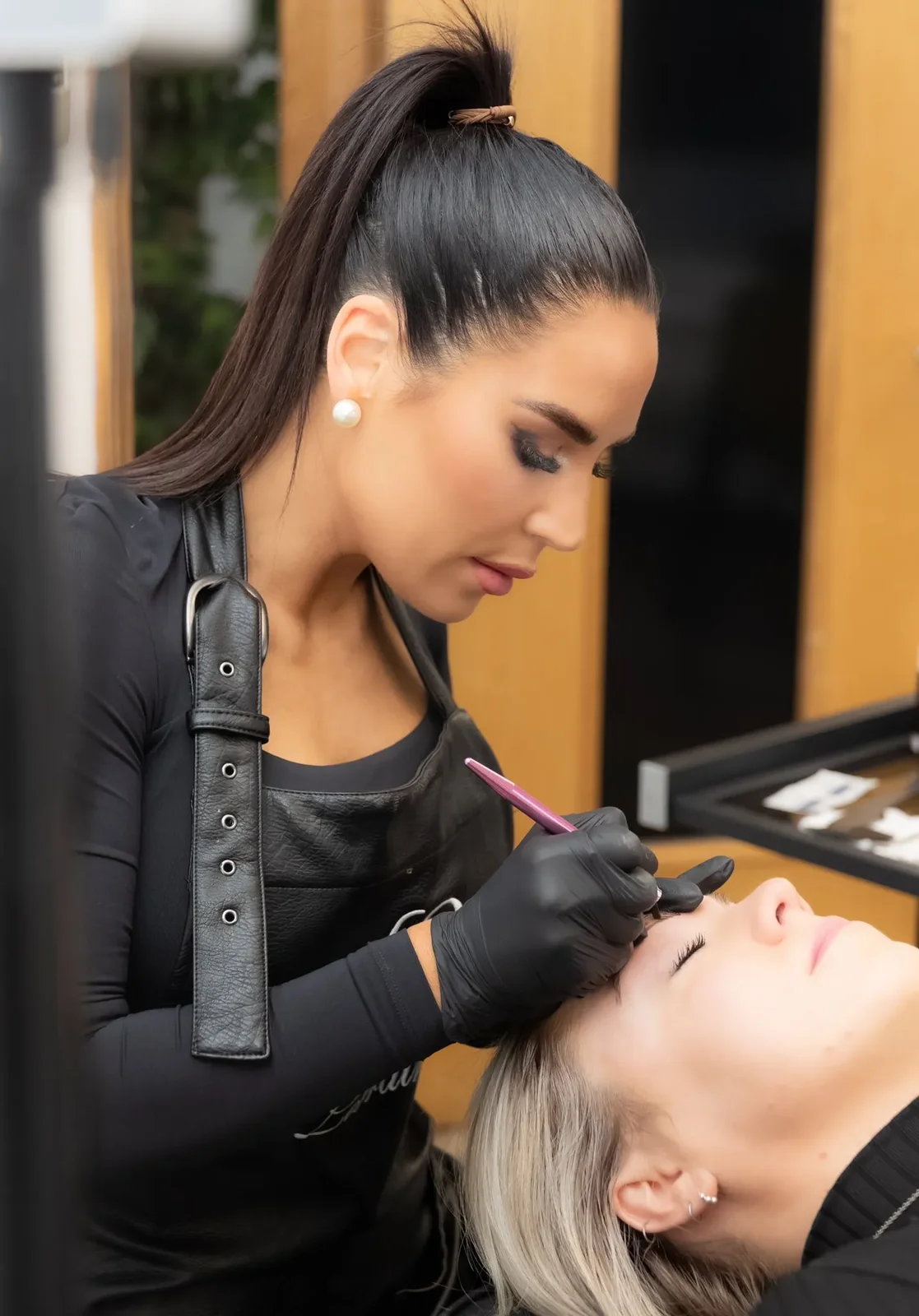
Cosmetic tattoo & paramedical practitioner with over 20 years in the cosmetic industry and international training in Milan, London and Paris. More about Lorraine →