In short: Areola tattoo (also called 3D nipple tattoo) uses skin-toned pigment to recreate the look of a natural areola and nipple after mastectomy or reconstruction, adding realistic shading and dimension so it reads as three-dimensional on a flat surface. It is usually done once the area is fully healed — often several months to a year after surgery — with your surgeon or medical team's go-ahead.
What areola tattoo is
After a mastectomy and reconstruction, the breast mound can be rebuilt but the areola and nipple are often missing or pale. Areola restoration tattoo recreates their appearance using carefully matched pigment and shading technique — including the subtle highlights and shadows that make a flat tattoo look like a raised, natural nipple. For many people it's the final step that makes the reconstruction feel complete.
When is the right time?
Timing matters. The area needs to be fully healed and settled before tattooing — this is often somewhere around six to twelve months after your final surgery, but it varies for everyone. If you've had radiation, the skin may need longer to recover. Always check with your surgeon or breast care team first; Lorraine works alongside your medical timeline, never ahead of it.
Does it hurt?
Reconstructed or grafted skin often has reduced or no sensation, so many clients feel very little during areola tattoo. Where there is feeling, numbing is used and the treatment is gentle. Just as importantly, the appointment is unhurried and private — Lorraine understands this is emotional as well as physical.
How many sessions, and how long it lasts
Areola tattoo is usually done over more than one session — an initial session and a follow-up to perfect colour and depth once healed. Like all cosmetic tattoo it's semi-permanent and softens over years; a refresh keeps the colour looking its best.
Realistic expectations
The goal is a natural, balanced, confidence-restoring result — one that looks right to you in the mirror and under clothing. It recreates appearance, not sensation, and works with the skin you have. Lorraine will be honest at your consultation about what's achievable for your particular reconstruction.
This is some of the most meaningful work Lorraine does, and every consultation is handled with warmth, discretion and zero pressure.
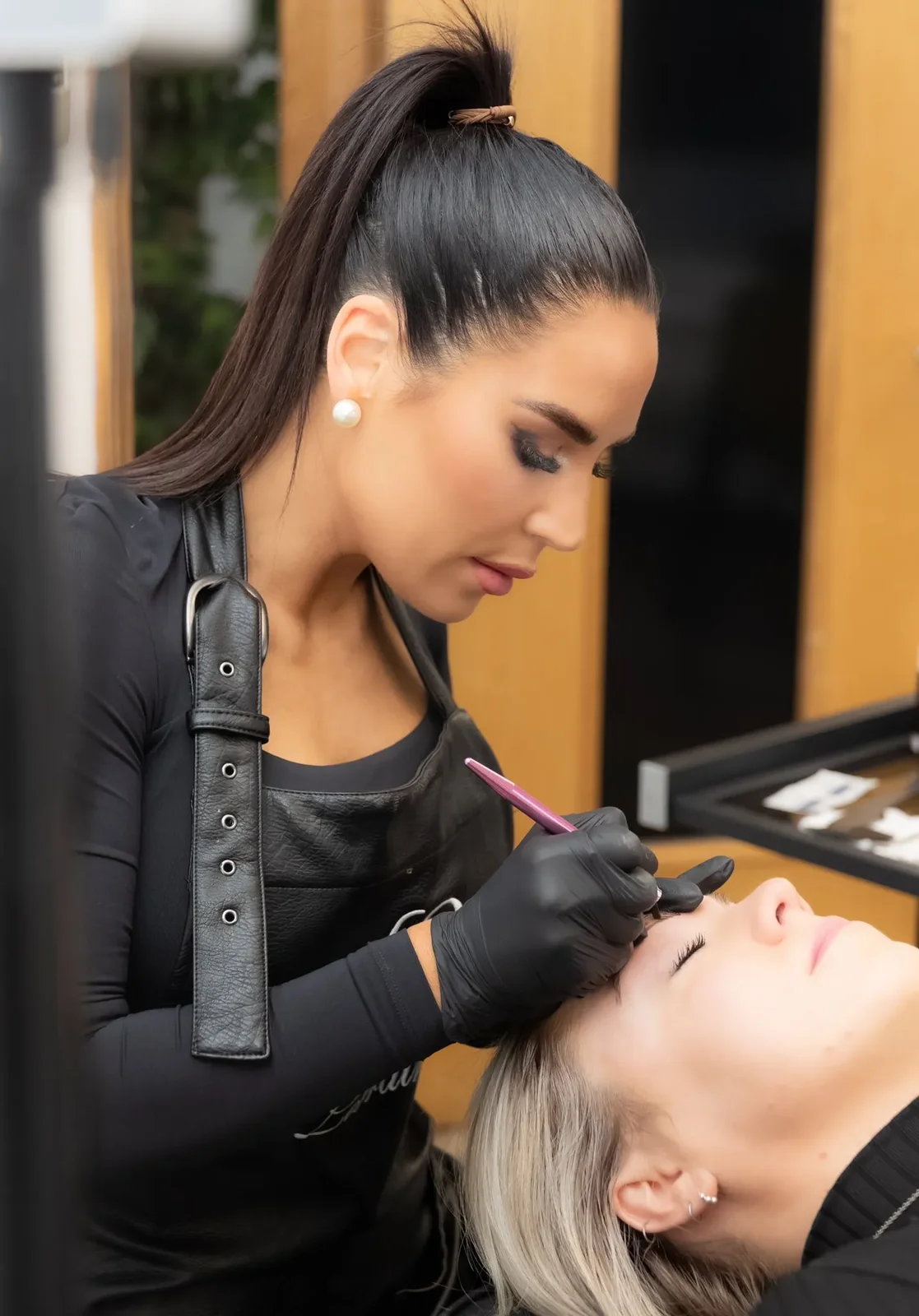
Cosmetic tattoo & paramedical practitioner with over 20 years in the cosmetic industry and international training in Milan, London and Paris. More about Lorraine →