In short: Yes — brows can be beautifully recreated after chemotherapy or alopecia using a fine hair-stroke technique that mimics natural brow hairs. It's usually done once treatment has finished and the skin and any regrowth have settled — often a few months after your last cycle — and with your medical team's okay. A patch test and an unhurried, sensitive approach are part of the process.
Why brows matter after chemo
Losing your eyebrows can change your whole face and be one of the hardest parts of hair loss to live with. Recreating them — softly and naturally — helps many people feel like themselves again. This is some of the most meaningful work Lorraine does, and it's always handled gently.
When is the right time?
Timing is led by your health, not a schedule. Generally, brow tattoo is done once chemotherapy has finished and your skin has recovered, giving any natural regrowth a chance to appear first (often a few months after your last cycle). If your brows are growing back, Lorraine can work with whatever hair you have. Always check with your oncologist or medical team before booking — Lorraine follows their guidance.
Do I need medical clearance?
It's strongly recommended. A quick okay from your treating doctor makes sure your skin and immune system have recovered enough for safe, comfortable healing. Lorraine will also do a patch test beforehand, as skin can be more sensitive after treatment.
How the brows are recreated
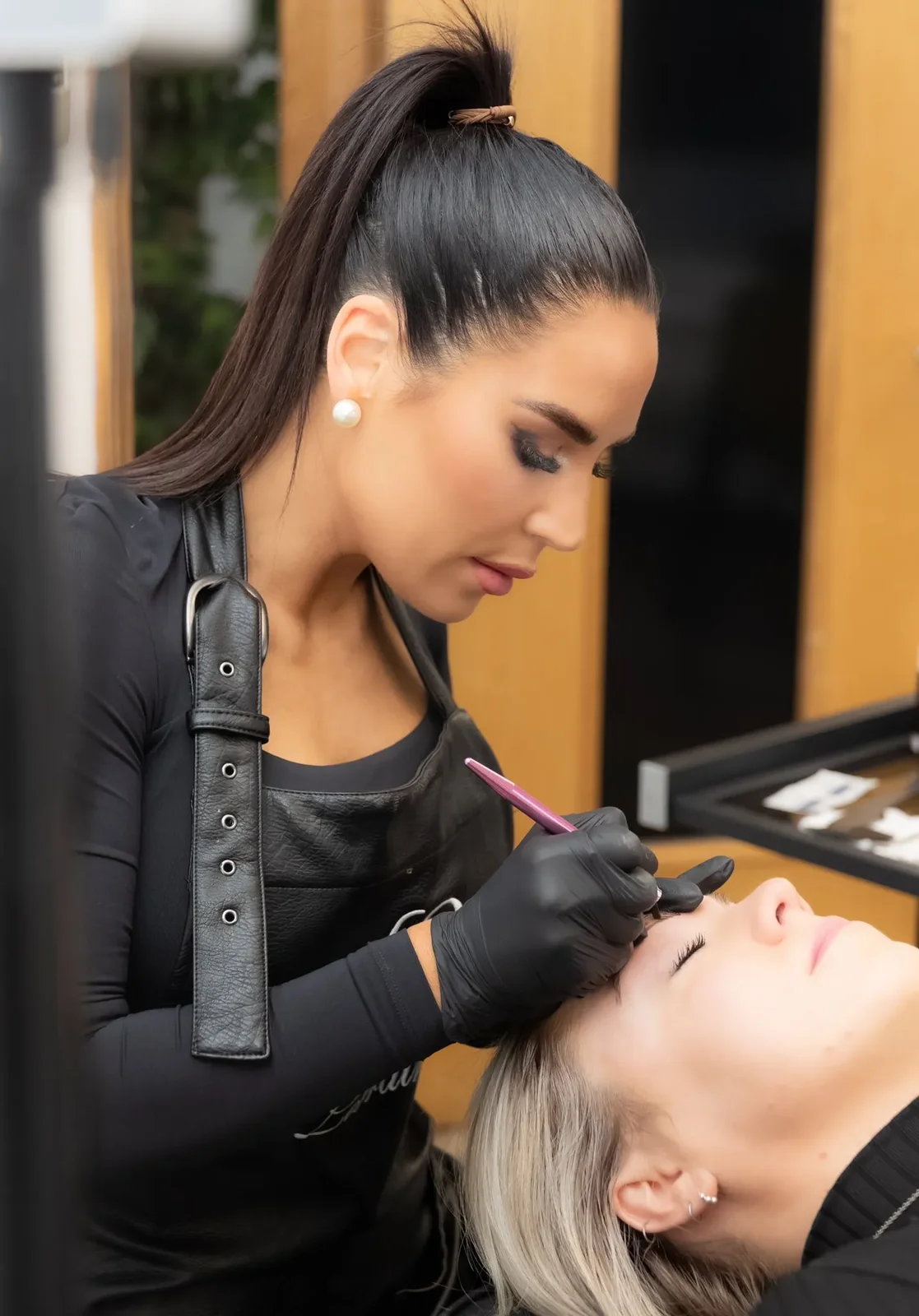
Where there's little or no hair to follow, Lorraine maps the brow shape from your bone structure and features — and from earlier photos of your brows if you have them. Fine, hand-drawn hair-strokes recreate the look of real brow hair, in a colour matched to suit you. Everything is drawn on and agreed in the mirror before any pigment is placed.
Does it hurt, and how does it heal?
Numbing keeps it comfortable, and most clients find it very manageable. Skin can heal a little differently after treatment, so a follow-up session to perfect the colour and shape is especially valuable here. You'll get clear aftercare and gentle support throughout.
There's no pressure and no rush — just a calm, private consultation to talk through what's right for you and when.
See brow recreation for hair loss →
Cosmetic tattoo & paramedical practitioner with over 20 years in the cosmetic industry and international training in Milan, London and Paris. More about Lorraine →