When brows don't come back the way they were
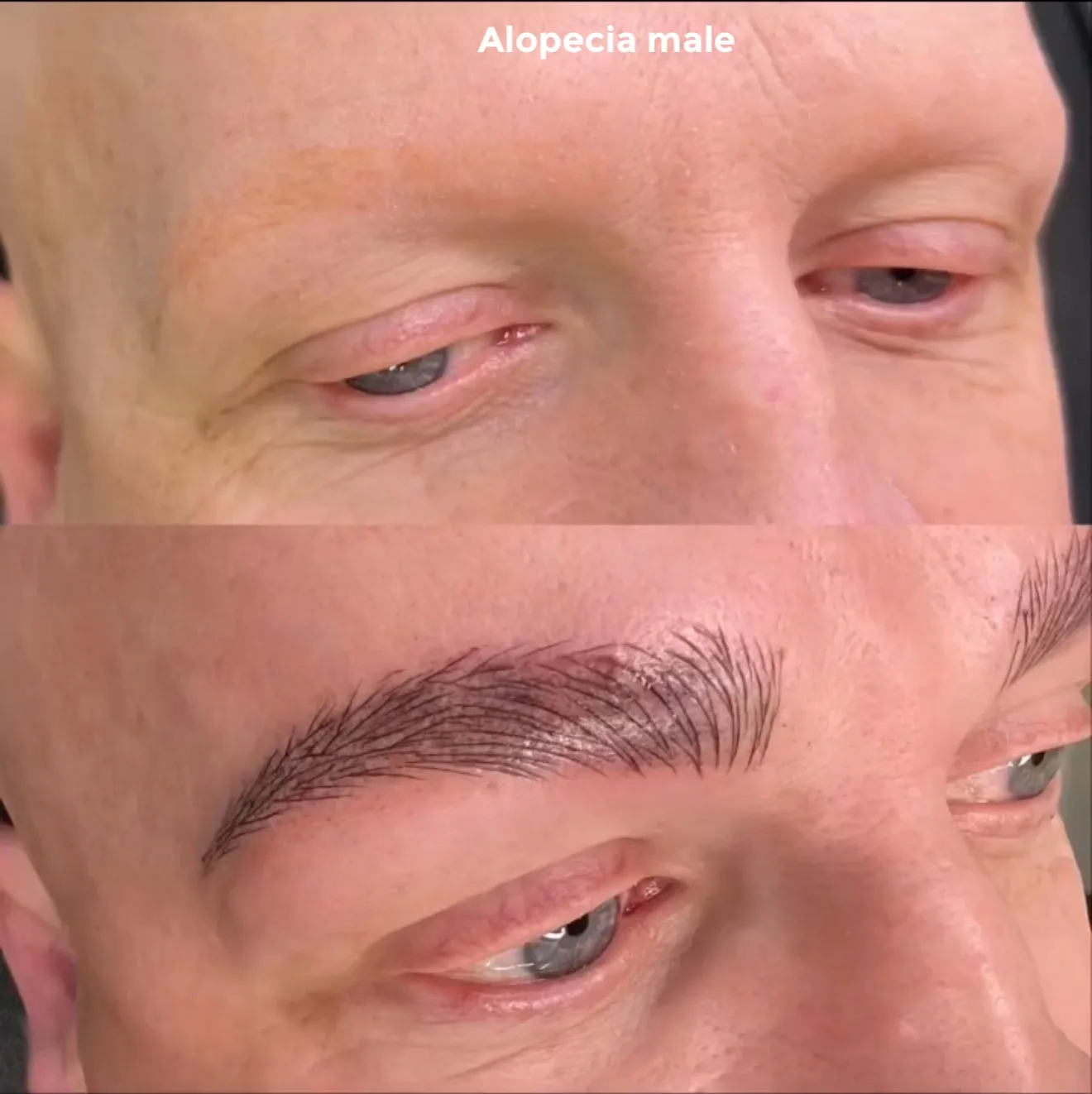
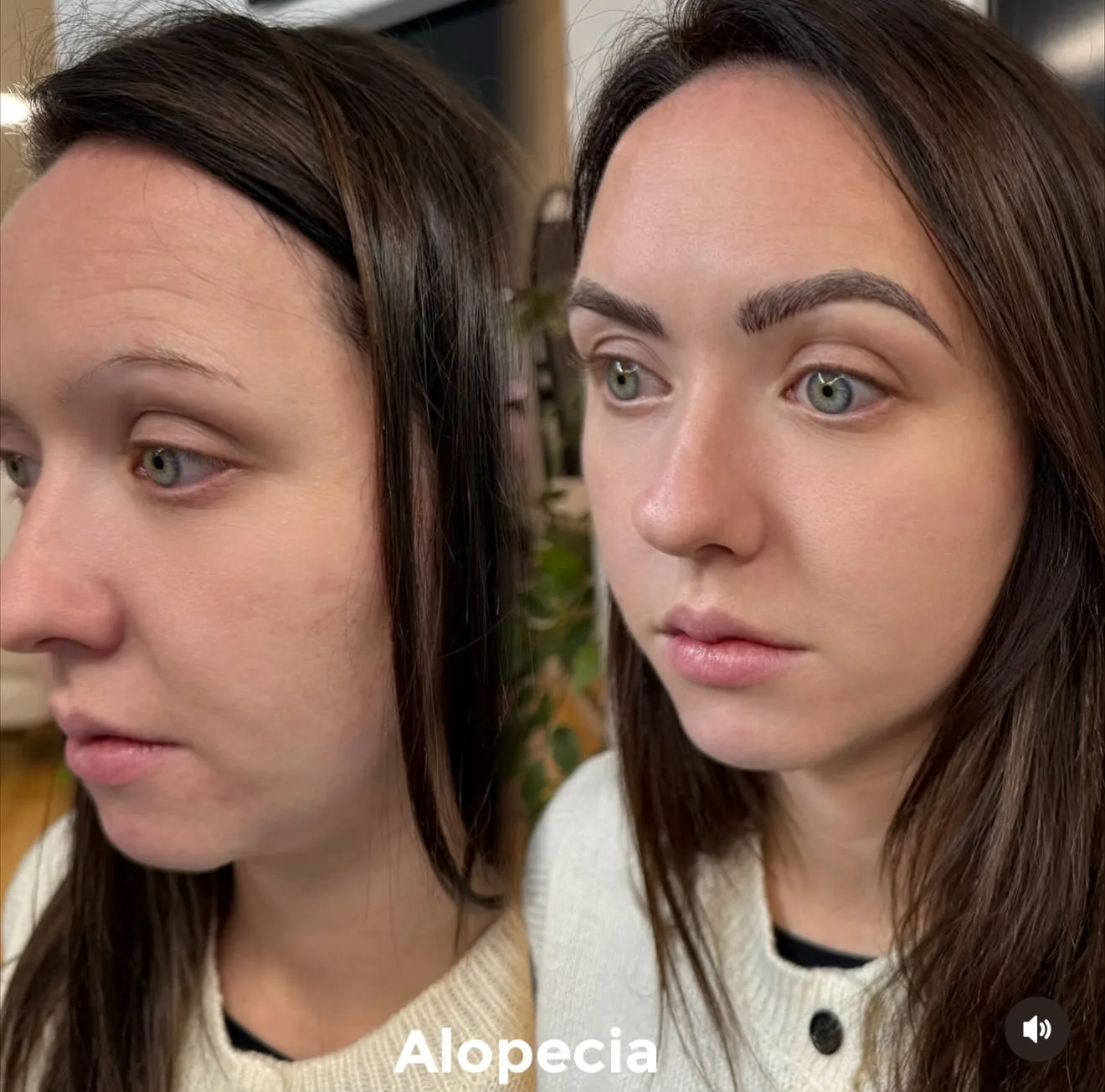
Brow loss after illness takes several forms, and they don't all recover the same way. Chemotherapy usually causes brows to fall out and then regrow — but for many people the regrowth is sparse, patchy, a different texture, or simply never fully returns. Alopecia (areata, totalis or universalis) can thin the brows or remove them entirely, sometimes for years. Thyroid conditions quietly thin the outer third of the brow first. Severe stress shedding (telogen effluvium) and trichotillomania each leave their own pattern of loss.
What they have in common is the way it feels. Brows frame the face and carry expression, so when they're gone or uneven, people sense the change even when they can't name it — and so do you, every time you catch your reflection. Restoring them is often the final, quietly significant step in feeling like yourself again.
How brows are restored after illness
The right approach depends on how much brow hair has come back:
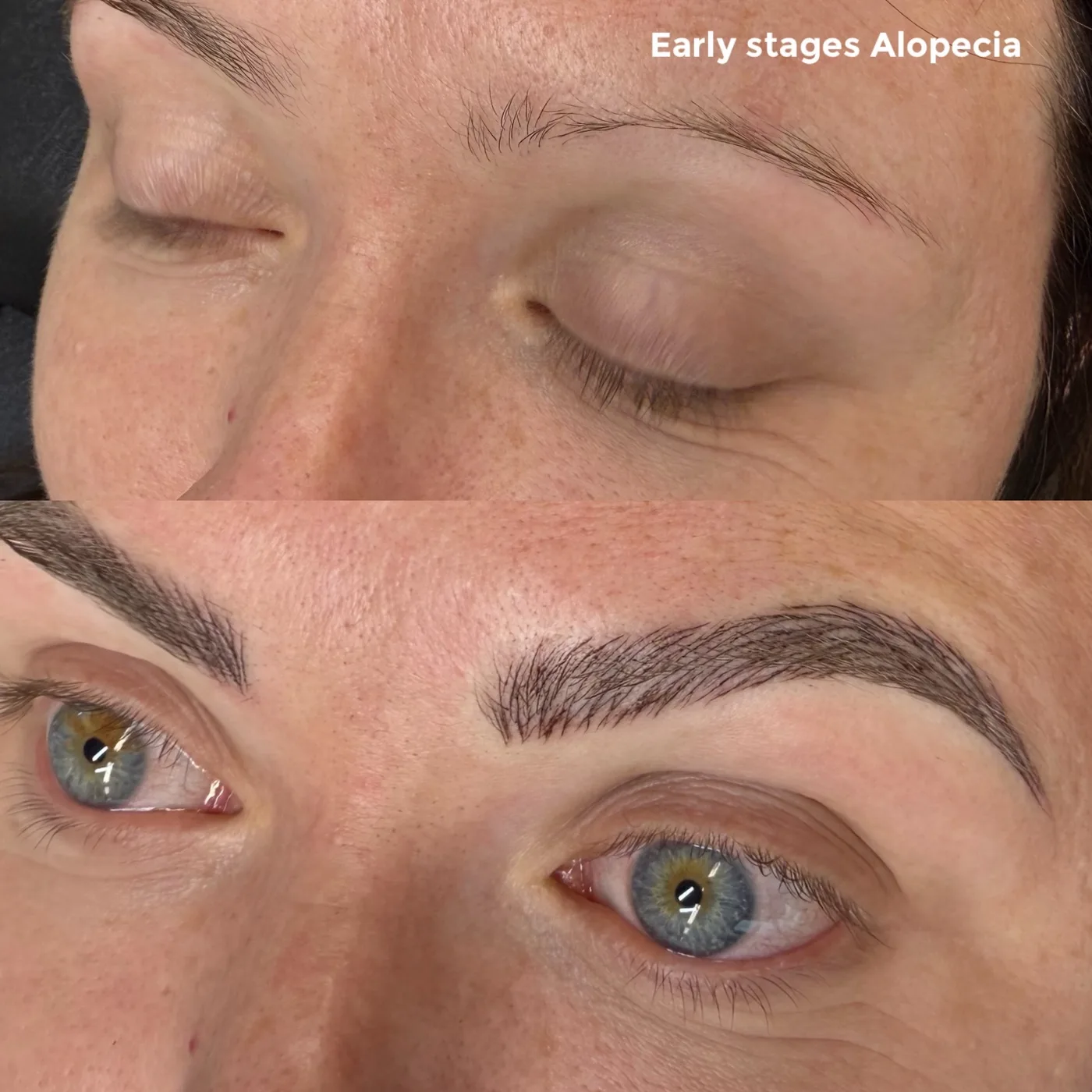
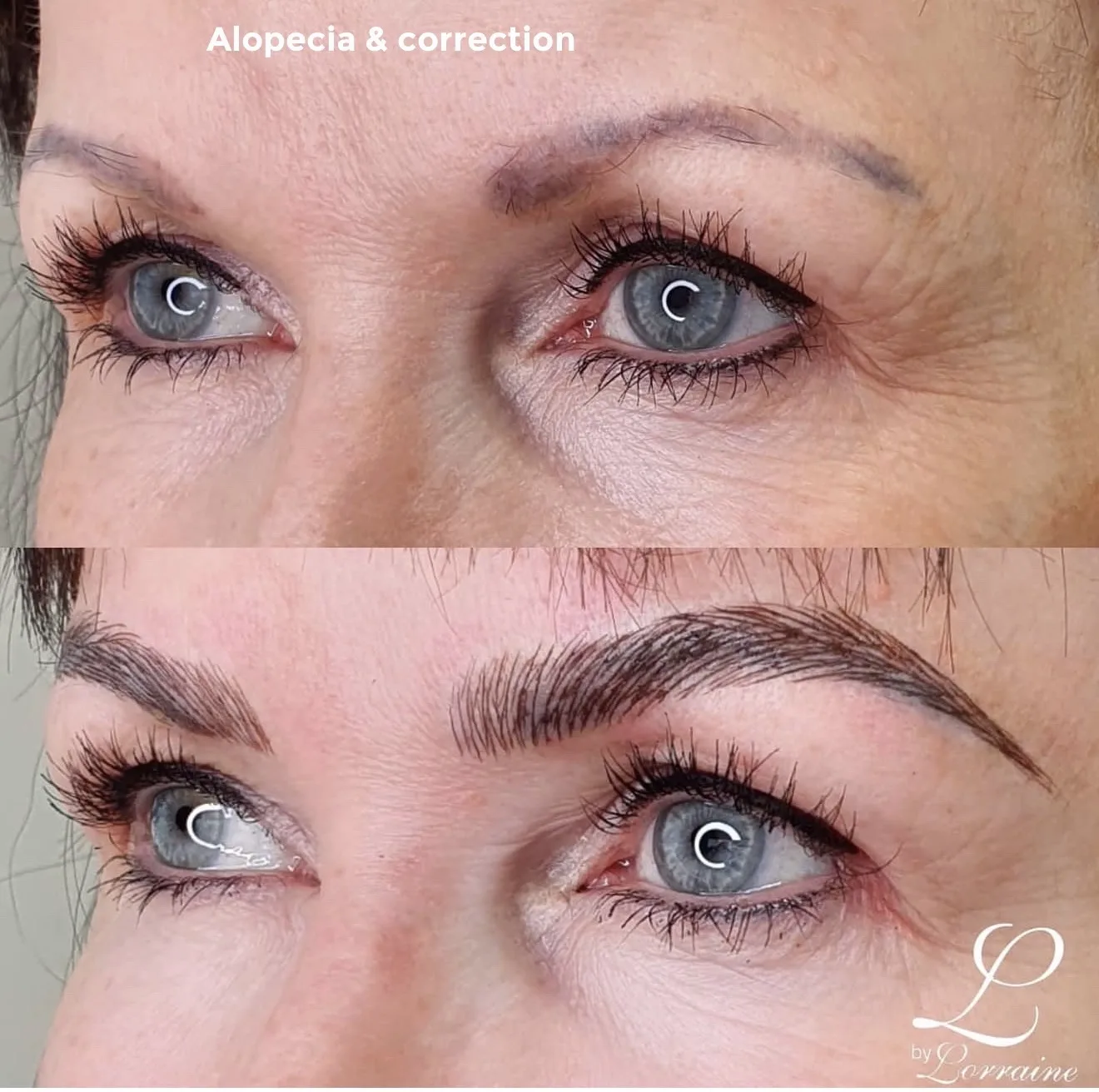
- Partial regrowth — where some brow hair has returned, Lorraine's 3D Feather Brows technique adds fine hair strokes between and through the existing hair to rebuild density and an even shape.
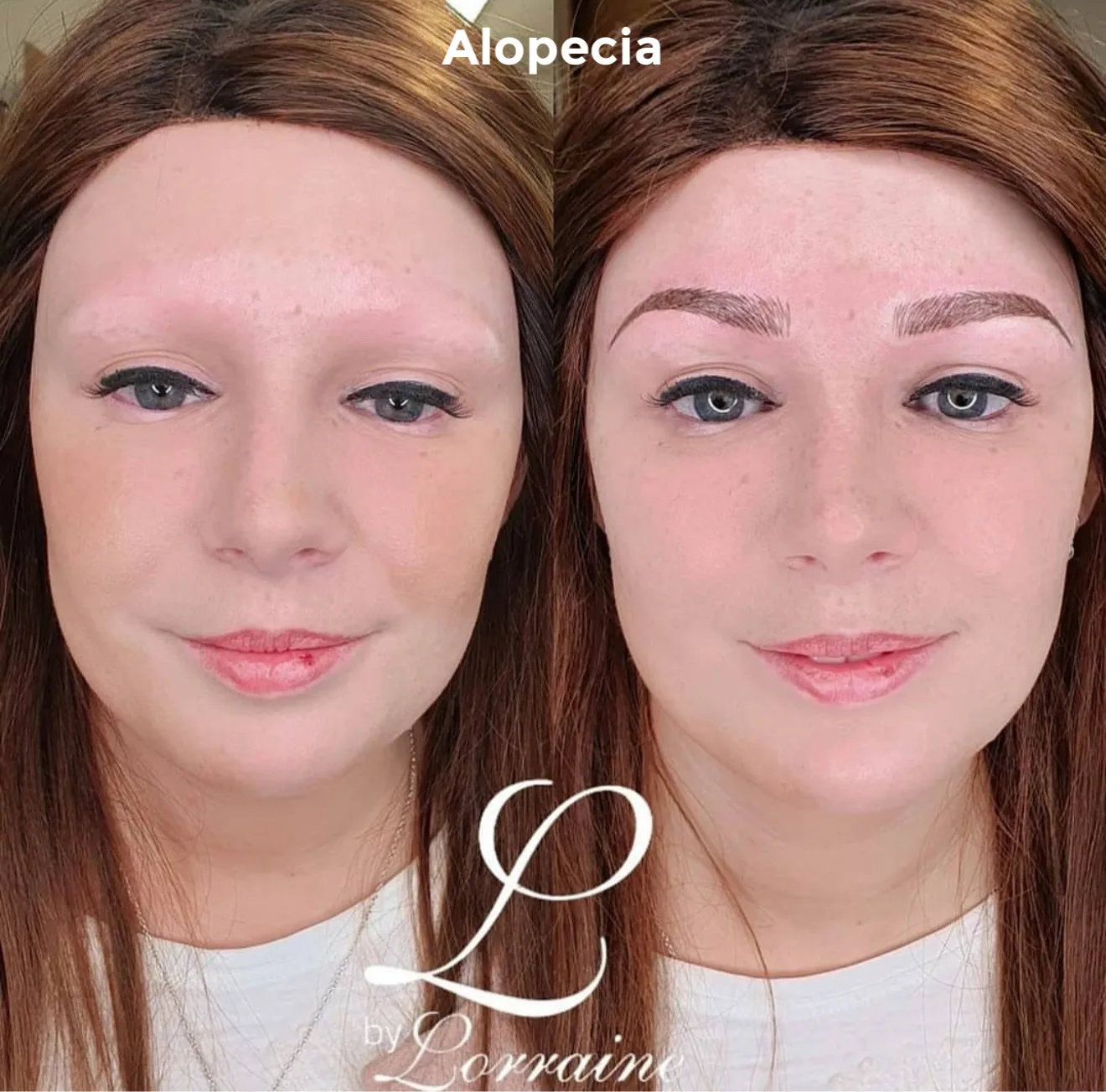
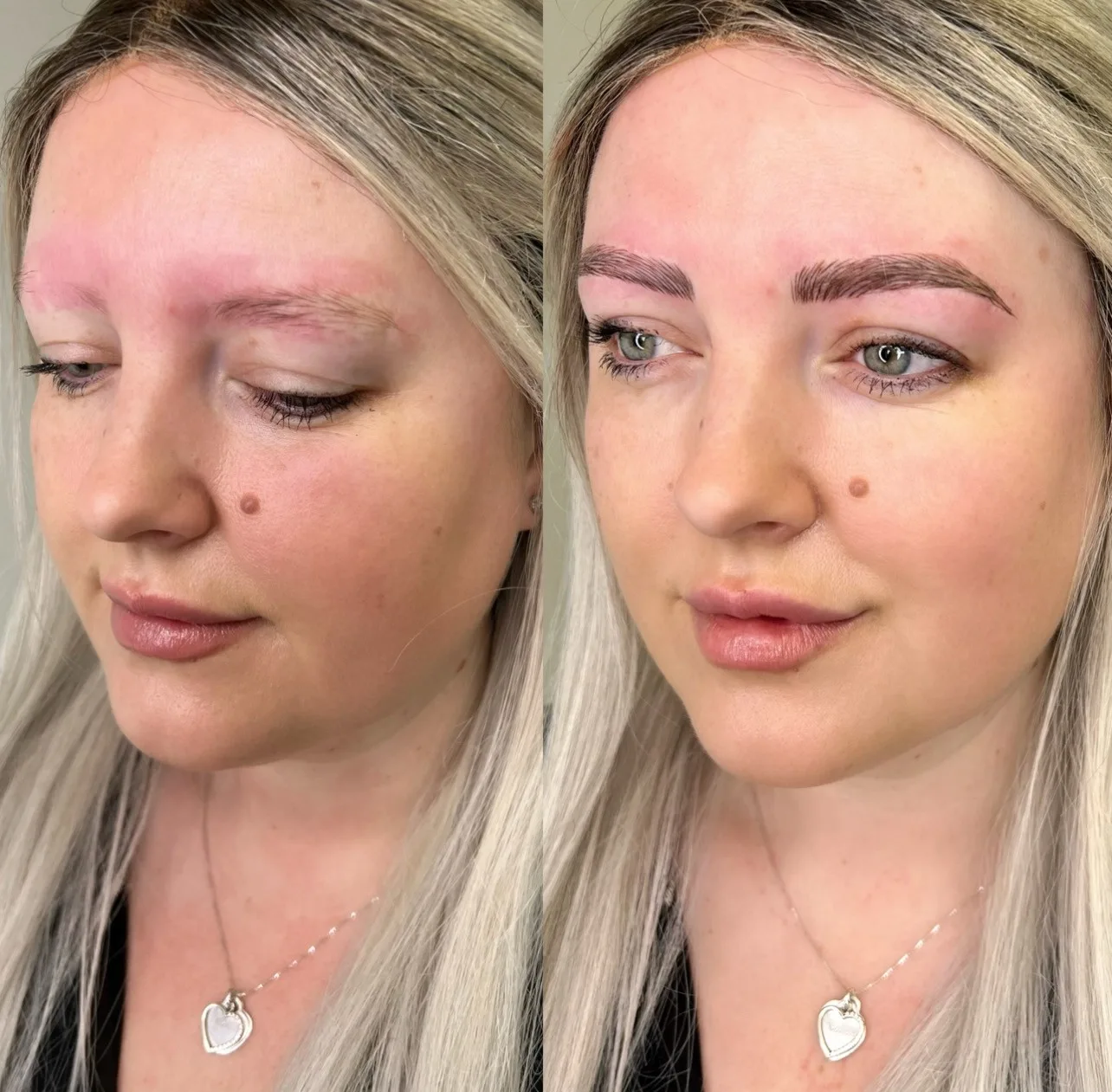
- Complete or near-complete loss — where little or no hair remains, the treatment becomes alopecia brow recreation, where the entire brow shape is designed from your features and drawn in by hand, stroke by stroke.
In both cases the goal is the same: a soft, natural brow that reads as your own hair, not as makeup or a solid tattooed line. Lorraine uses a fine hand tool rather than a machine, and mixes pigment bespoke to your skin tone and hair colour.